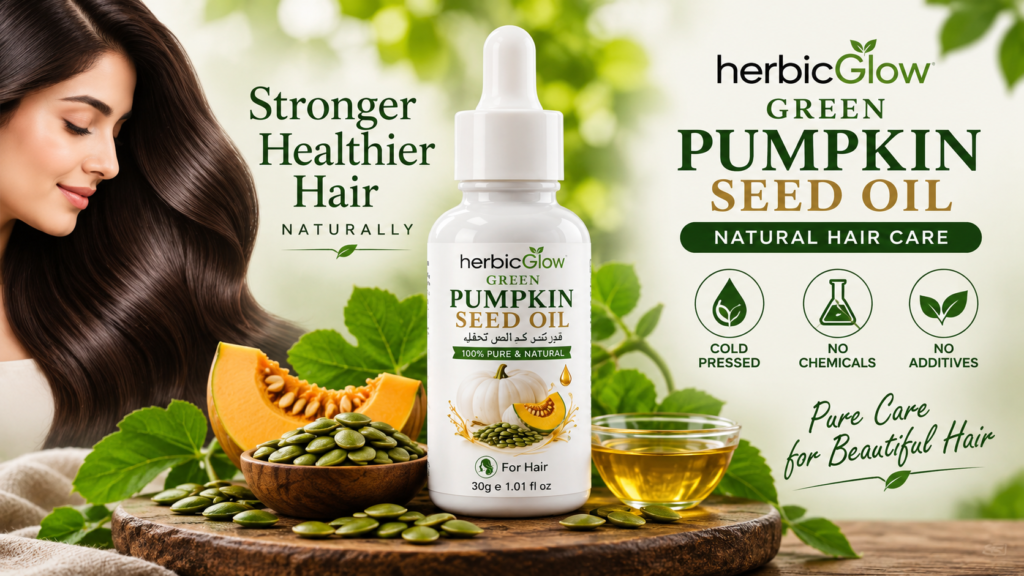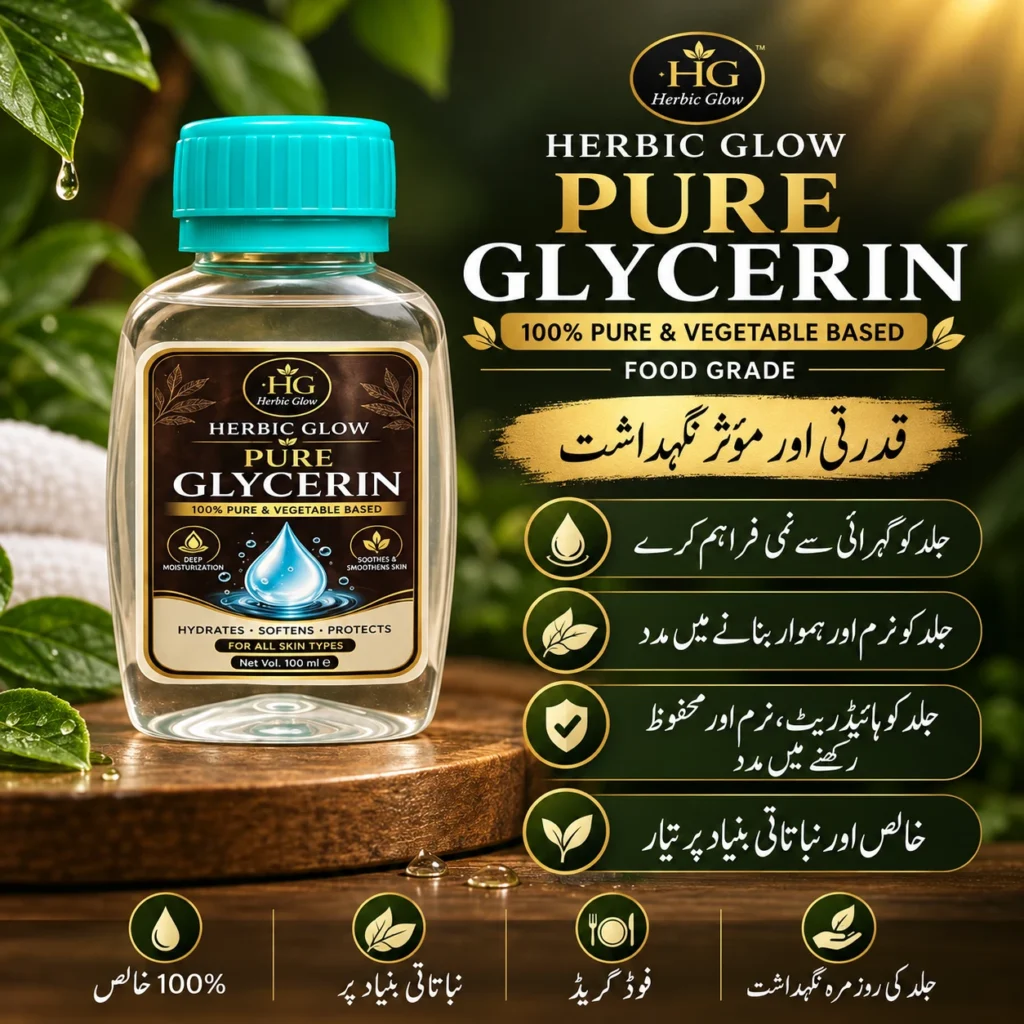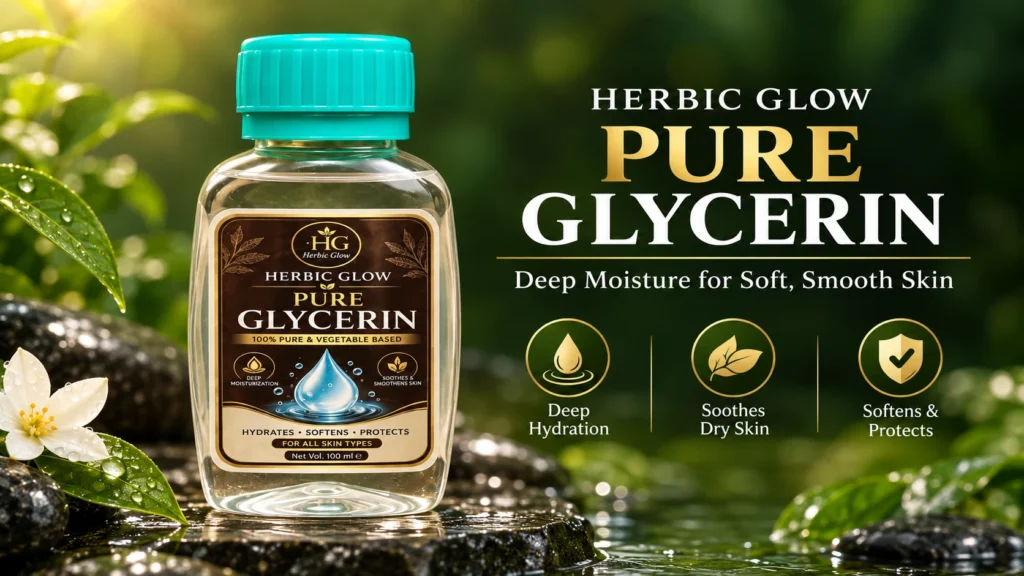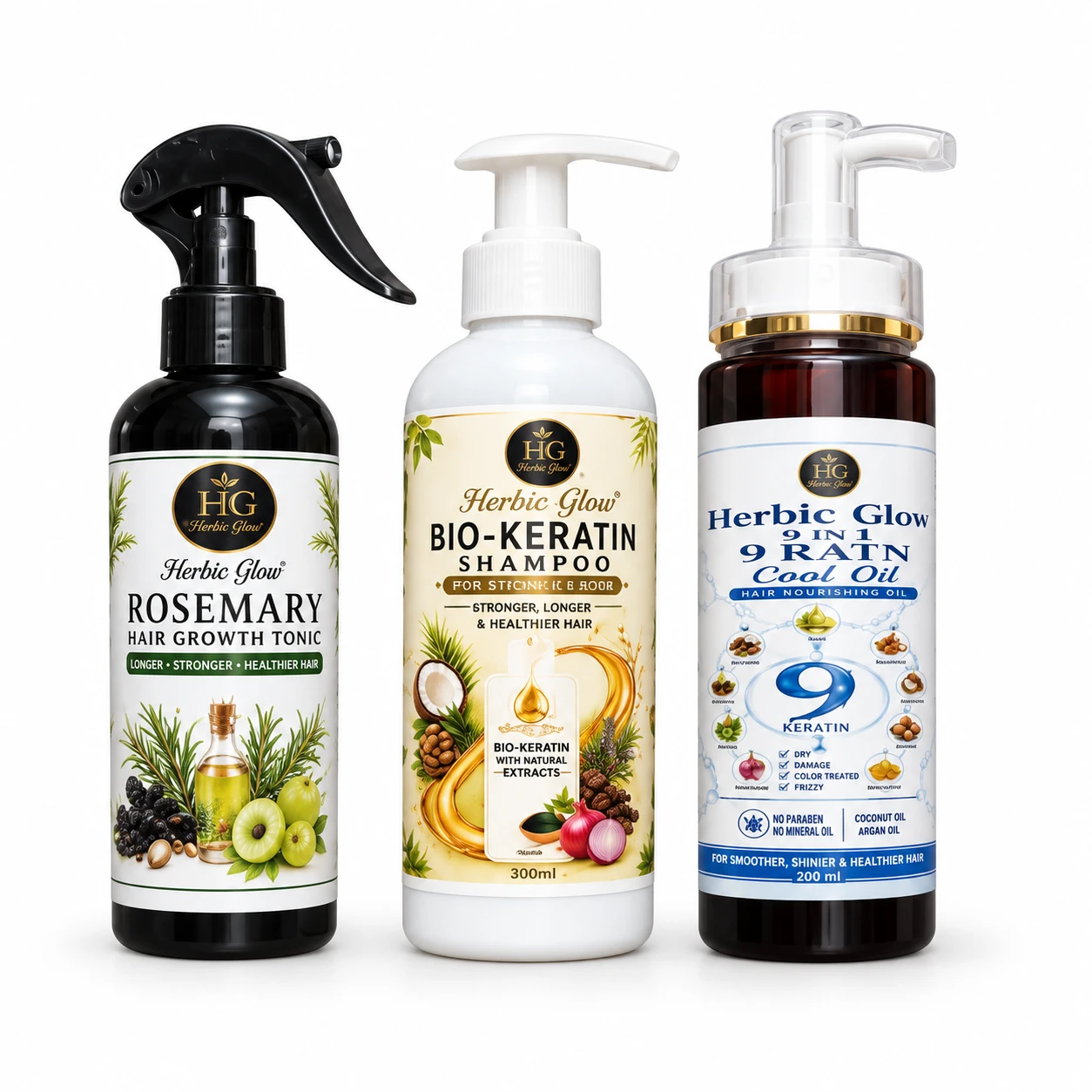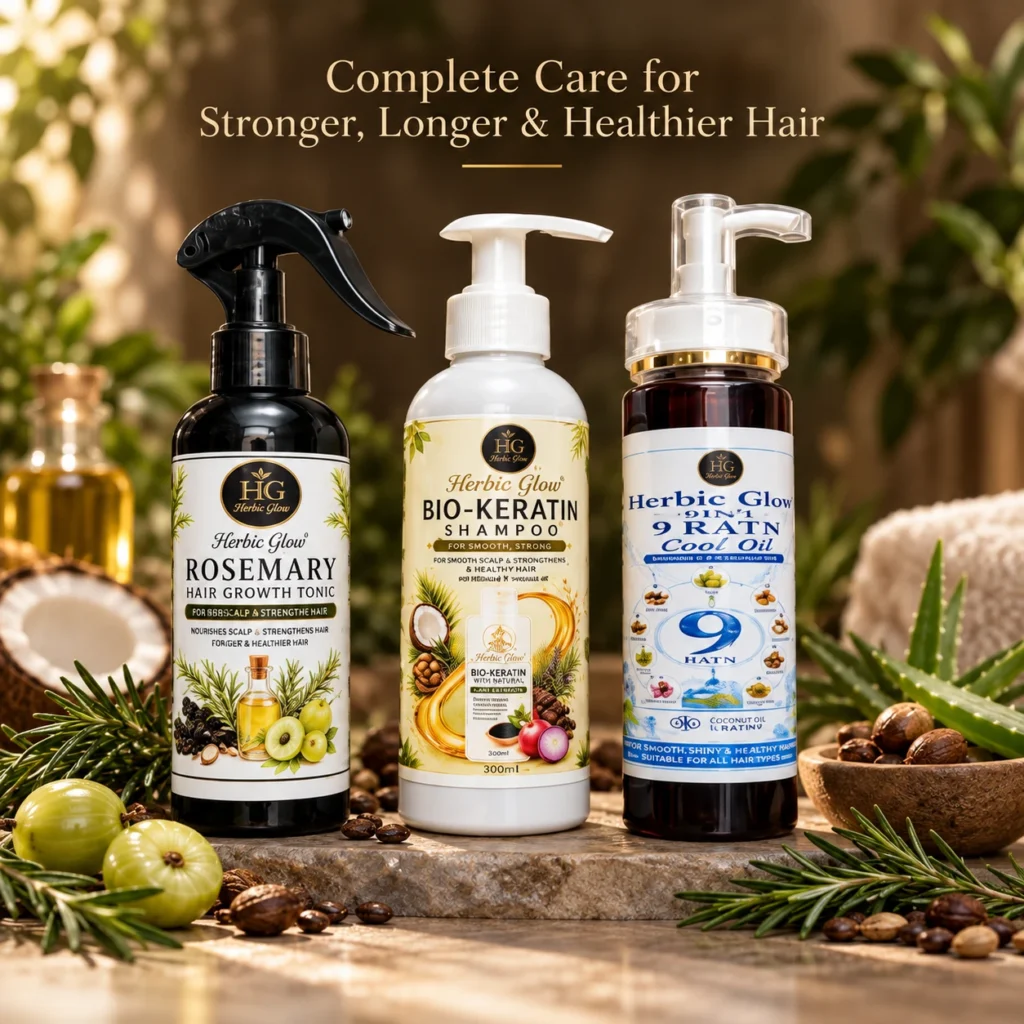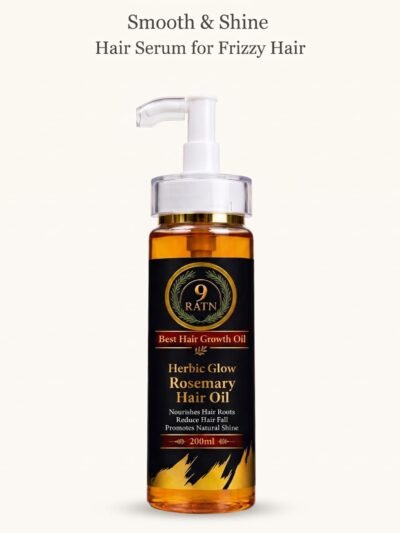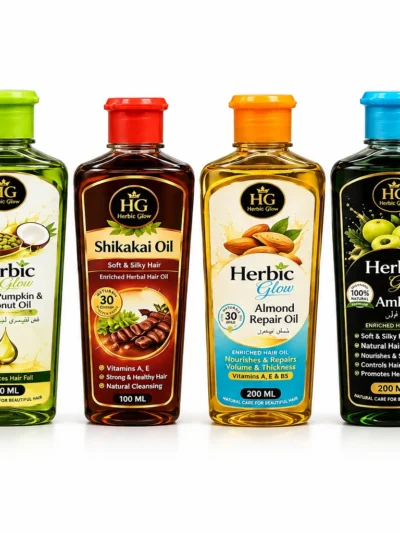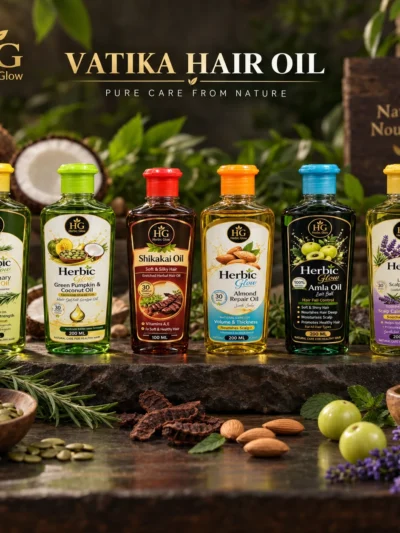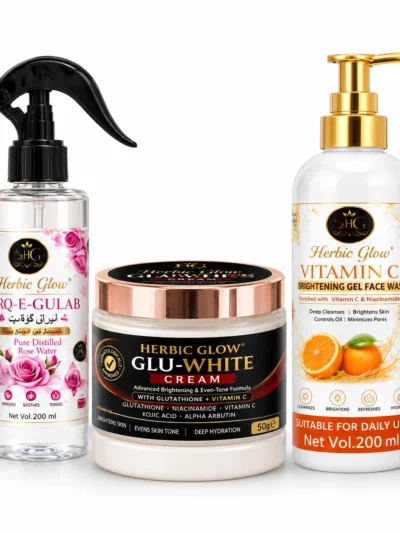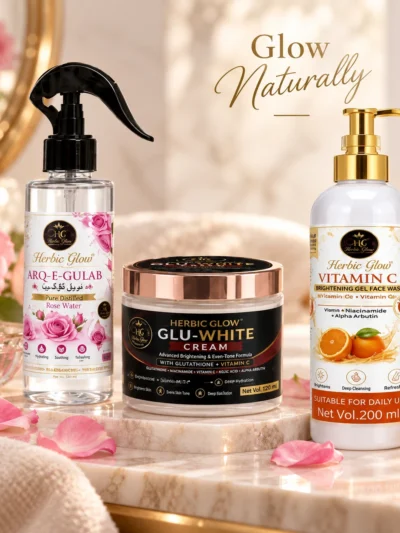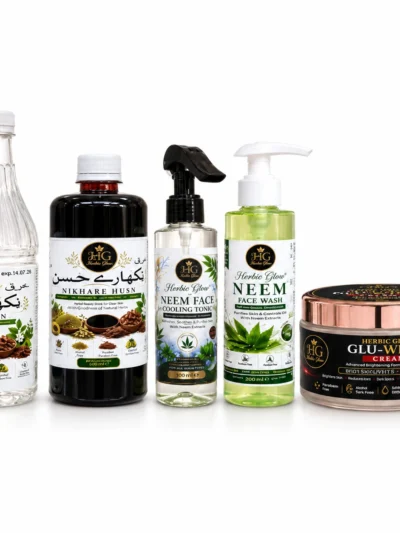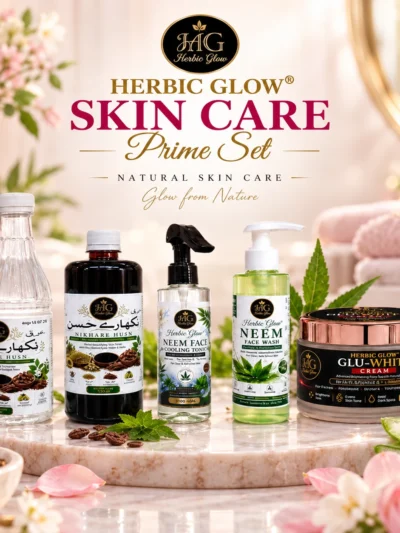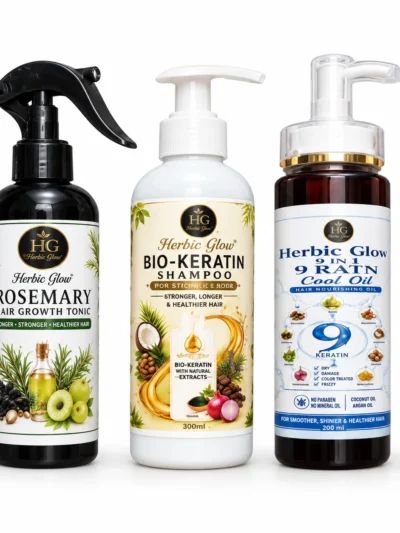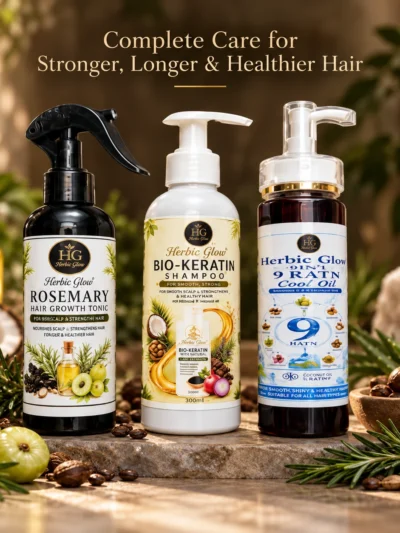
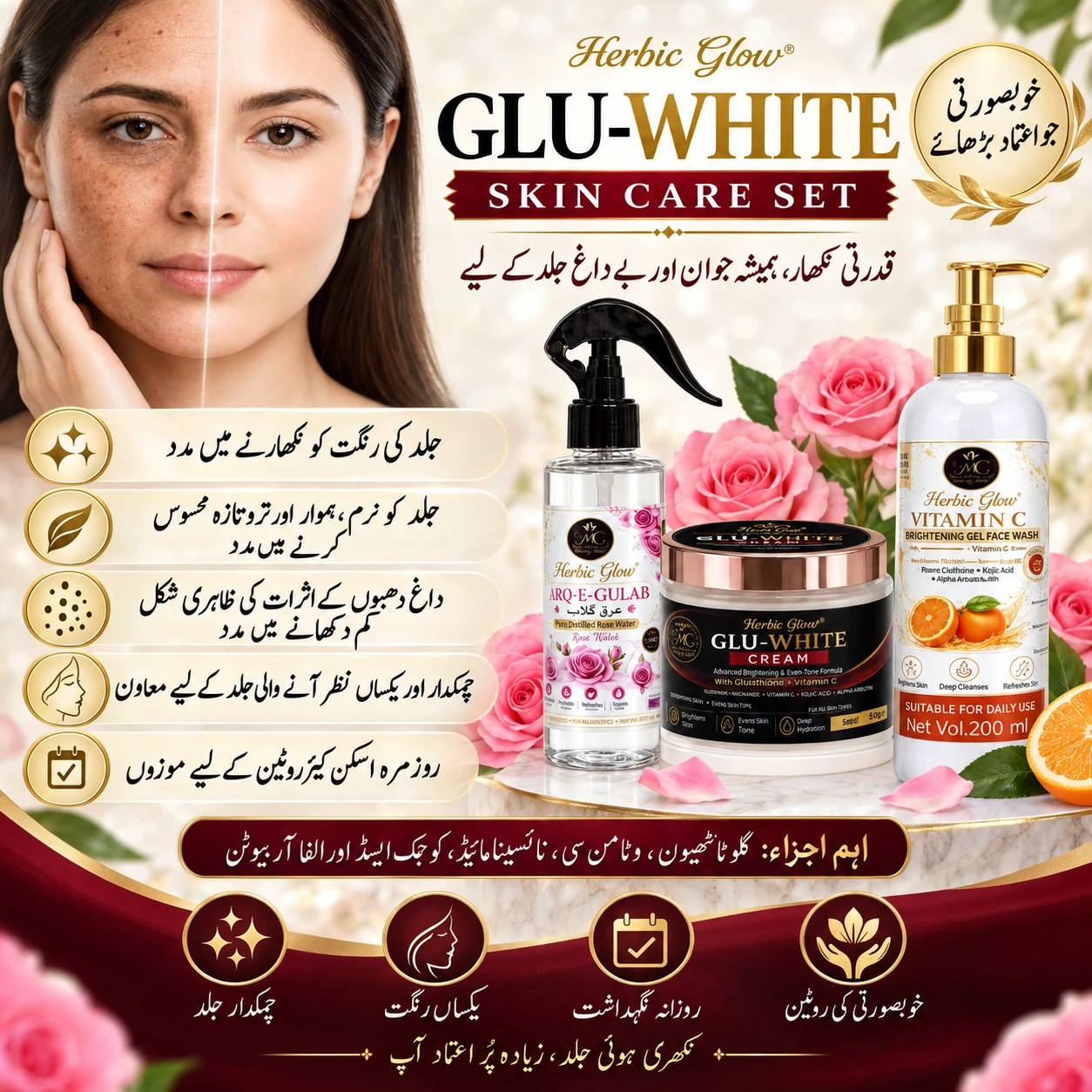
Hydration isn’t just about drinking water. It’s about giving your skin the moisture it needs to stay supple, radiant, and resilient. In this guide, we’ll break down what hydration actually means for your skin, how to spot signs of dehydration, and the best natural ingredients to lock in moisture. If you’re looking for a complete, herbal skincare routine, Herbic Glow’s For Hydration Skincare collection brings nature’s most effective hydrating botanicals into one easy routine.
What Exactly Is Skin Hydration?
Skin hydration refers to the level of water stored in the epidermis. Think of it as the skin’s own “water bottle.” When water content is low, the outermost layer of skin becomes tight, flaky, and prone to irritation. When it’s optimal, the skin feels smooth, elastic, and luminous.
Signs Your Skin Needs a Hydration Boost
- Flaking or peeling: Dry patches that feel rough to the touch.
- Tightness after cleansing: Skin feels constricted or pulls back.
- Visible fine lines: Lack of moisture makes creases more apparent.
- Redness or irritation: Sensitive skin often reacts to dehydration.
- Uneven tone: Dehydrated areas may appear dull or sunken.
Why Hydration Matters for Long‑Term Skin Health
Proper hydration supports barrier function, keeping pollutants and bacteria out while retaining essential oils. It also helps maintain skin elasticity, reducing the risk of premature aging. In essence, a well‑hydrated complexion is a healthy complexion.
Key Natural Ingredients That Deliver Moisture
Herbic Glow focuses on herbal and botanical solutions that work in harmony with your skin’s biology. Look for:
- Hyaluronic Acid: A sugar that holds up to 1,000× its weight in water.
- Coconut Water: Naturally rich in electrolytes and vitamins.
- Glycerin (derived from plant oils): A humectant that attracts moisture.
- Rose Water: Calming and toning, it balances pH while adding a subtle fragrance.
- Aloe Vera: Provides soothing hydration and antioxidants.
- Honey (particularly Manuka or local Pakistani varieties): A natural humectant with antimicrobial benefits.
Building a Simple Hydration Routine
Below is a 3‑step routine that you can adapt to your skin type. Use the For Hydration Skincare line for a cohesive experience.
- Cleanse Gently: Start with a mild, sulfate‑free cleanser that won’t strip natural oils. Follow with a lightweight face wash if you need deeper cleansing.
- Apply a Hydrating Toner: Choose a toner with rose water or aloe to rebalance moisture levels.
- Lock in Moisture: Use a hydrating serum or facial oil containing hyaluronic acid or coconut water. Finish with a light, non‑comedogenic moisturizer.
Optional Extra Hydration: Overnight Mask
Once or twice a week, apply a nourishing overnight mask rich in honey or botanical oils. This boosts hydration during sleep, when the skin repairs itself.
Comparison: Herbal Hydration vs. Conventional Products
While many commercial hydrating creams contain synthetic emulsifiers, herb‑based options tend to be gentler and contain fewer irritants. Natural humectants like glycerin and honey are less likely to clog pores or trigger allergies. Herbal toners such as rose water provide a subtle fragrance without synthetic scents.
Quick Caution: When to Seek Professional Advice
If you notice:
- Severe redness or burning sensations after applying a product.
- Persistent flaking despite consistent hydration.
- Skin changes that develop suddenly (e.g., rashes, blisters).
These could be signs of an underlying condition. Consult a dermatologist before making any major changes to your skincare routine.
Wrap‑Up
Hydration is the cornerstone of a healthy, youthful glow. By choosing herbal, botanically‑derived ingredients and maintaining a simple, consistent routine, you can keep your skin moisturized without compromising its natural barrier. Explore Herbic Glow’s curated hydration range to experience the power of nature in every drop.