Finding the right routine often feels overwhelming because the market is flooded with options that promise miracles but deliver irritation. Most people do not need a twelve-step regimen; they need a handful of well-formulated products that match their skin type and address their actual concerns. This guide breaks down the essential categories, explains what to look for in each, and helps you build a concise routine that works.
Understand Your Skin Before You Buy
Product popularity means little if the formula clashes with your biology. Oily skin benefits from lightweight, non-comedogenic textures, while dry skin craves richer emollients and barrier-supporting ingredients. Sensitive skin requires fragrance-free, minimal ingredient lists. Take a week to observe how your skin behaves after cleansing — tightness, shine, redness, or flaking — before investing in new products.
The Core Categories You Actually Need
1. Cleanser
A cleanser’s job is to remove dirt, sunscreen, and excess sebum without stripping the moisture barrier. Look for sulfate-free surfactants like cocamidopropyl betaine or decyl glucoside. Gel cleansers suit oily and combination skin; cream or oil-based cleansers work better for dry or mature skin. Cleanse once in the evening; a water rinse in the morning is often enough.
2. Treatment Serum
This is where you target specific goals. Vitamin C (L-ascorbic acid or stable derivatives) brightens and protects against oxidative stress. Niacinamide regulates oil, minimizes pores, and strengthens the barrier. Retinoids (retinol, retinaldehyde) accelerate turnover for texture and fine lines. Hyaluronic acid draws water into the epidermis. Choose one active per routine to avoid irritation.
3. Moisturizer
Even oily skin needs hydration. Gel-creams with humectants (glycerin, panthenol) and light occlusives (squalane, caprylic/capric triglyceride) absorb quickly. Dry skin benefits from ceramides, cholesterol, and fatty acids in a 3:1:1 ratio to mimic the natural lipid barrier. Apply while skin is still damp to lock in maximum moisture.
4. Sunscreen
Non-negotiable. Broad-spectrum SPF 30 or higher prevents UV-induced aging, hyperpigmentation, and barrier damage. Mineral filters (zinc oxide, titanium dioxide) suit sensitive and acne-prone skin; modern chemical filters (Uvinul A Plus, Tinosorb S) offer elegant finishes for deeper skin tones. Reapply every two hours during direct exposure.
How to Evaluate a Product Quickly
- Check the first five ingredients. They make up the bulk of the formula. Water, a humectant, and a skin-identical lipid early in the list signal a well-structured base.
- Identify the actives and their concentrations. Brands that disclose percentages (e.g., 10% niacinamide, 0.5% retinal) tend to be more transparent.
- Avoid known irritants for your skin type. Denatured alcohol high in the list, synthetic fragrance, and essential oils are common triggers.
- Verify packaging stability. Airless pumps or opaque tubes protect light- and air-sensitive ingredients like vitamin C and retinoids.
- Patch test. Apply a small amount behind the ear or on the inner forearm for three consecutive nights before full-face use.
Building a Minimal Routine
Start with three steps: cleanse, treat, protect (morning) or moisturize (evening). Add a second treatment — exfoliating acid or retinoid — only after two weeks of barrier stability. Introduce one new product every 10–14 days so you can identify the source of any reaction. Consistency outperforms complexity; a simple routine used daily beats an elaborate one used sporadically.
When to Adjust
Seasonal shifts, hormonal changes, and stress alter skin needs. In winter, swap a gel moisturizer for a richer cream. During breakouts, pause retinoids and focus on barrier repair with centella asiatica or ceramides. Listen to your skin rather than following a static calendar.
Herbic Glow’s Approach to Essential Skin Care
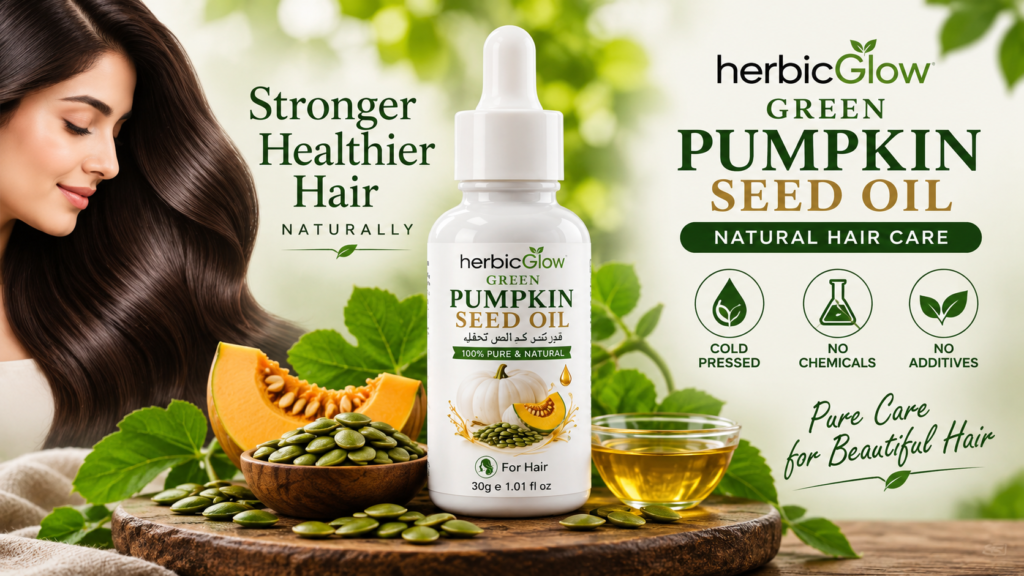
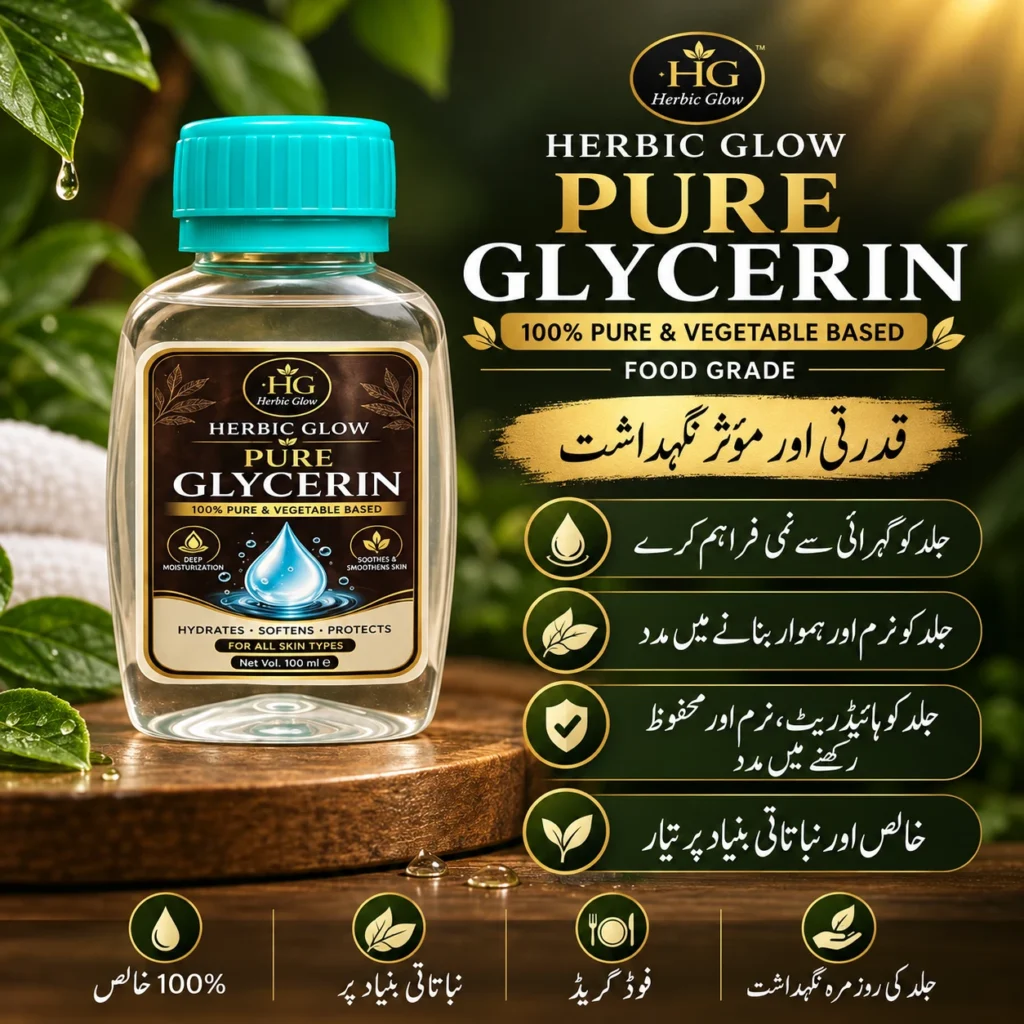
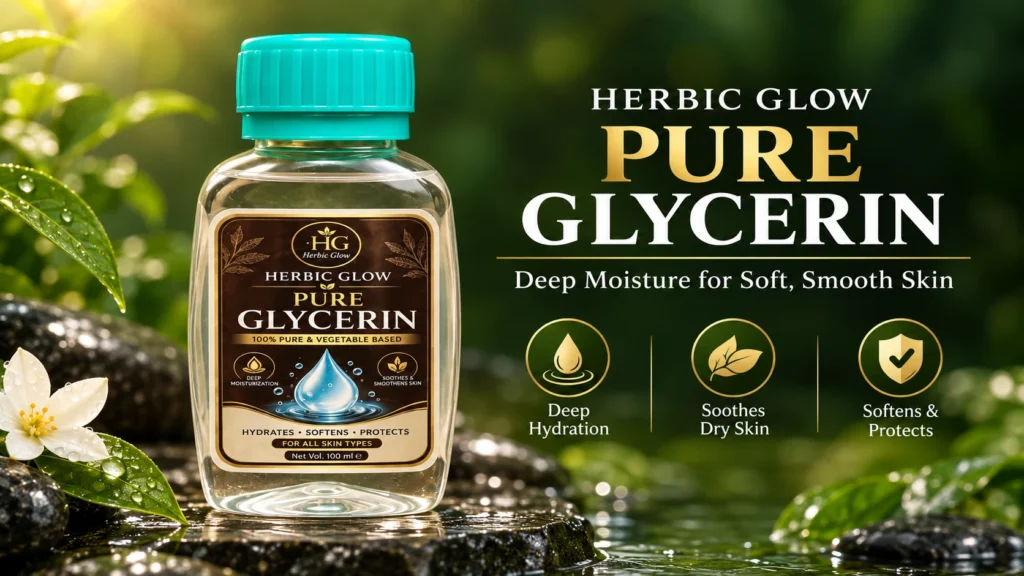
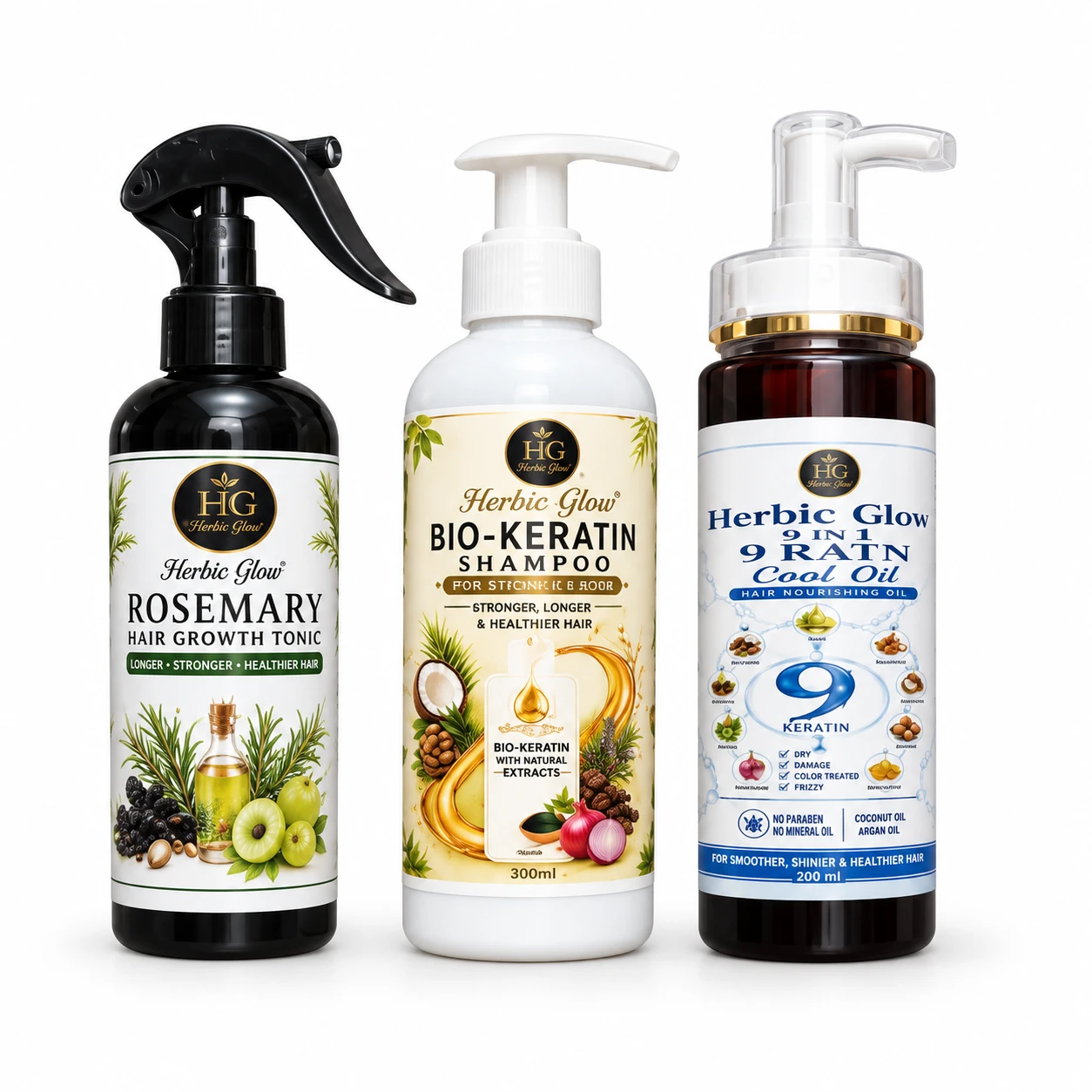
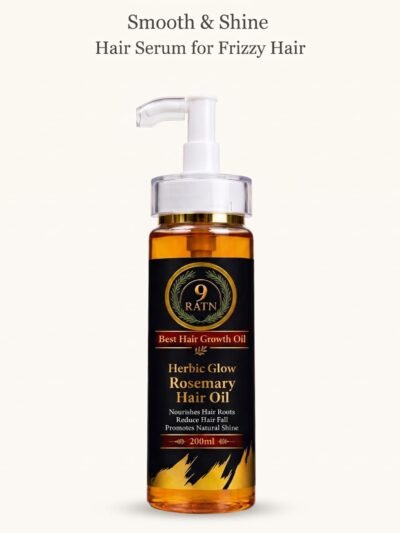
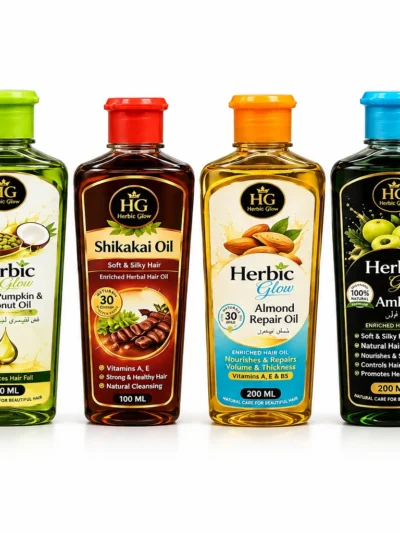
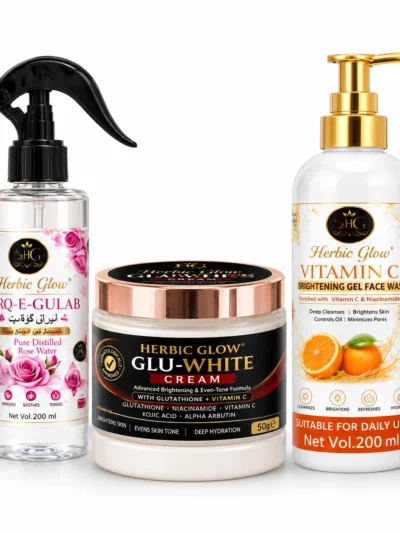
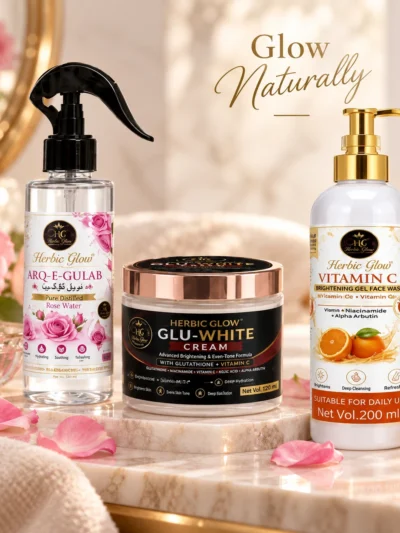
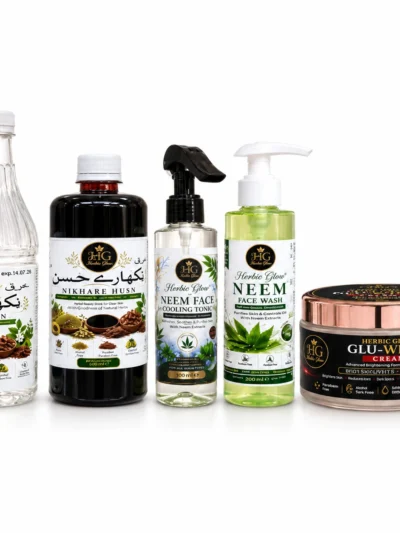
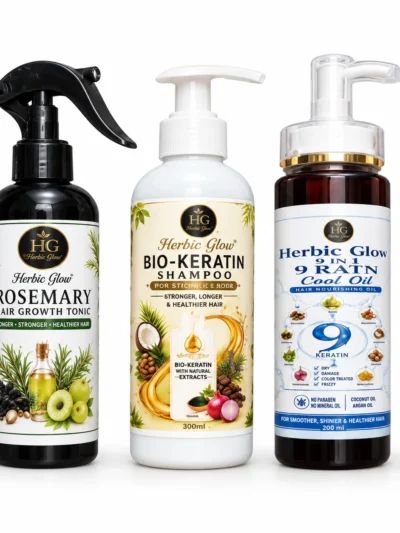
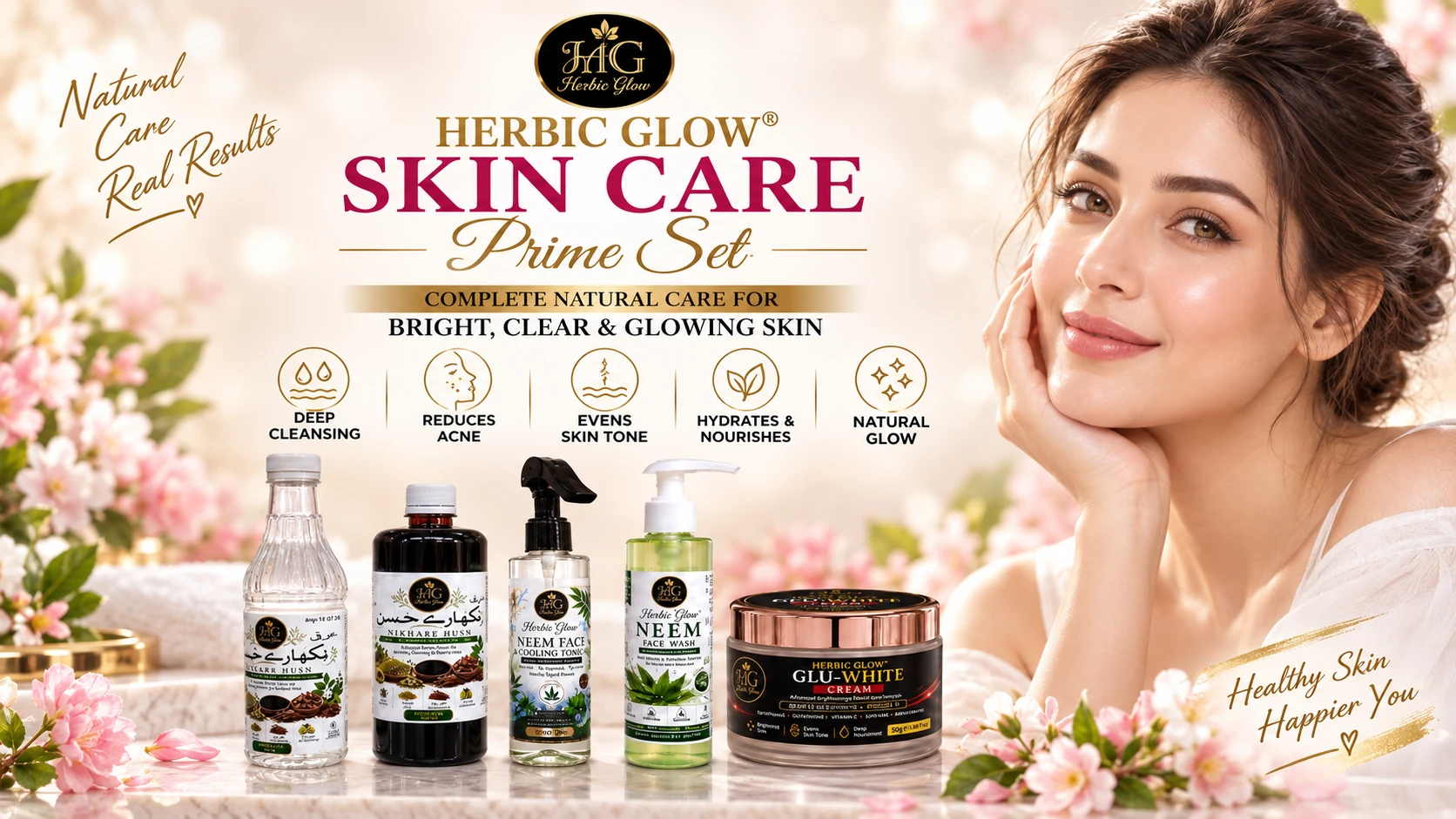
Our formulations prioritize traditional herbal extracts — neem, rose, turmeric, aloe — delivered through modern, stable bases that respect the skin’s physiology. Each product is developed to fit into the core categories above without redundant fillers. You can explore our curated range of top skin care products selected for efficacy and sensory elegance. For a deeper comparison of specific formulas, see our skin care products best explained guide.
Final Thought
The “top” products are not the ones with the loudest marketing; they are the ones your skin tolerates and responds to over time. Master the basics, read ingredient lists critically, and give each addition space to prove its worth. Healthy skin is a long-term project, not a weekend sprint.