When hair feels brittle, splits at the ends, or refuses to hold moisture, the instinct is to reach for a heavier conditioner or a reparative mask. That helps, but it only tells half the story. The condition of your hair is largely decided before the strand even emerges — at the scalp. Treating the scalp as skin, not just a base for styling, changes how damaged hair responds to care.
Why Scalp Health Dictates Hair Repair
The scalp is an extension of your facial skin. It has a microbiome, a barrier function, and sebaceous glands that regulate oil. When that barrier is compromised — by harsh sulfates, product buildup, hard water, or environmental stress — the hair follicle receives weaker signals and fewer nutrients. The result is thinner, more fragile strands that break easily.
Skin care products formulated for the scalp address this root cause. They gently cleanse without stripping, rebalance pH, and deliver anti-inflammatory botanicals directly to the follicle environment. Over time, this creates the conditions for stronger regrowth and reduces the cycle of damage.
Ingredients That Bridge Scalp and Strand
Not every “skin care” ingredient belongs near the hairline. The most effective crossover ingredients share three traits: they are non-comedogenic, they support barrier repair, and they penetrate without leaving residue.
- Rose water calms irritation and restores pH after cleansing.
- Niacinamide regulates sebum and strengthens the lipid barrier.
- Centella asiatica reduces micro-inflammation around the follicle.
- Hyaluronic acid (low molecular weight) hydrates the scalp without weighing down roots.
- Cold-pressed oils like jojoba, argan, or amla mimic natural sebum and deliver fatty acids to both scalp and shaft.
Building a Routine That Repairs From the Root
Consistency matters more than intensity. A three-step rhythm works for most damaged-hair types:
- Cleanse smart. Use a sulfate-free shampoo or a co-wash that respects the scalp barrier. Massage for sixty seconds to stimulate circulation.
- Treat the scalp. Apply a water-based serum with niacinamide or centella while the scalp is still damp. Let it absorb before styling.
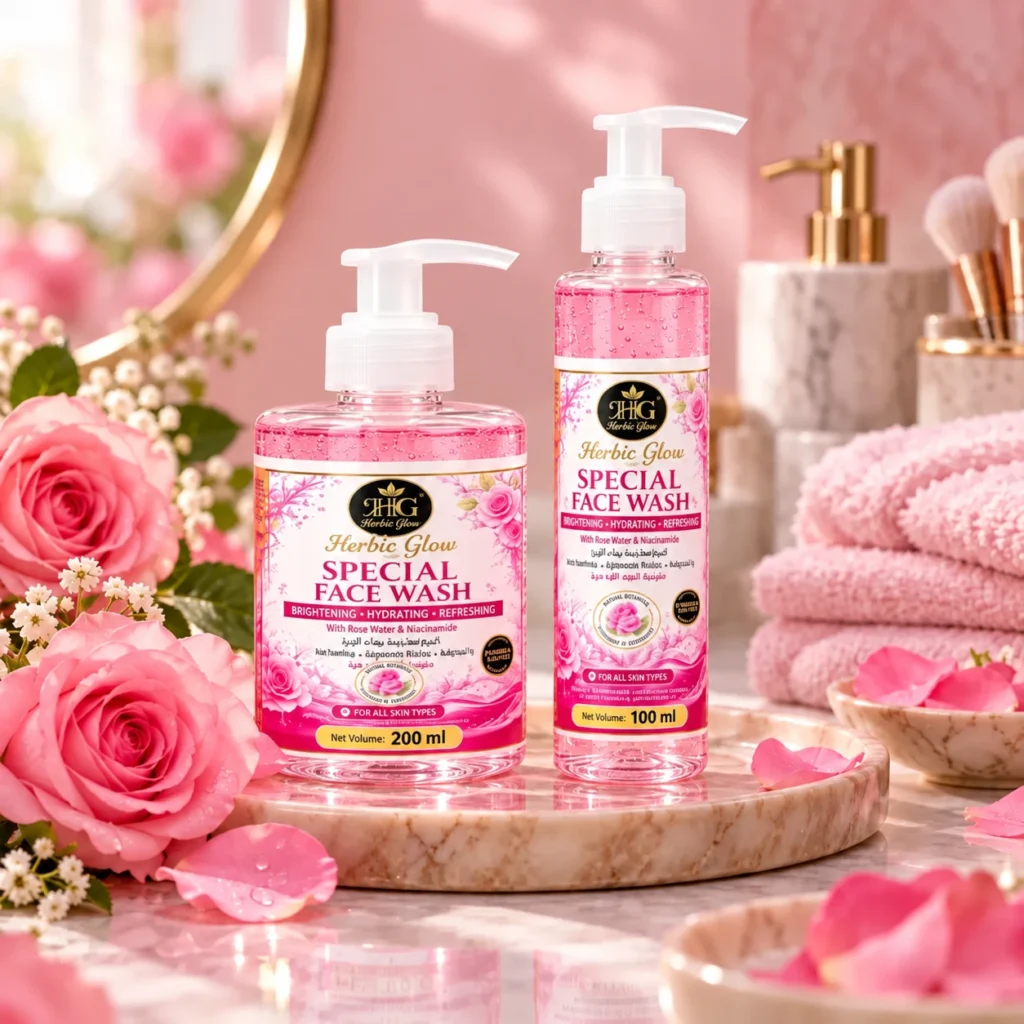
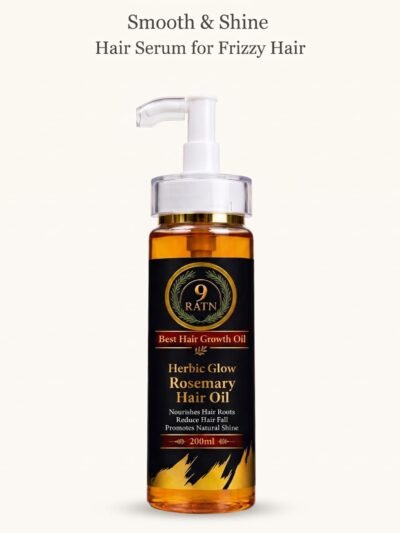
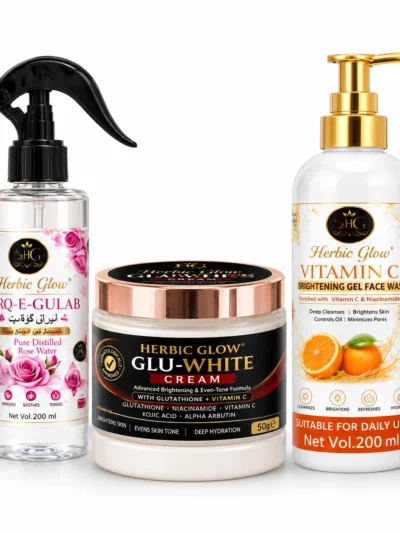
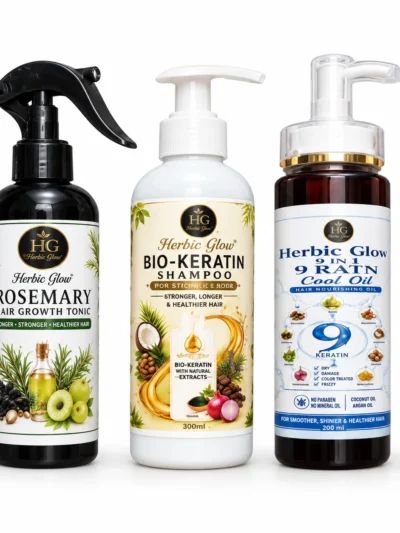
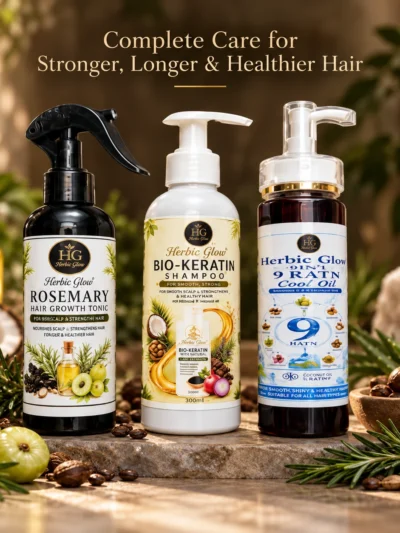
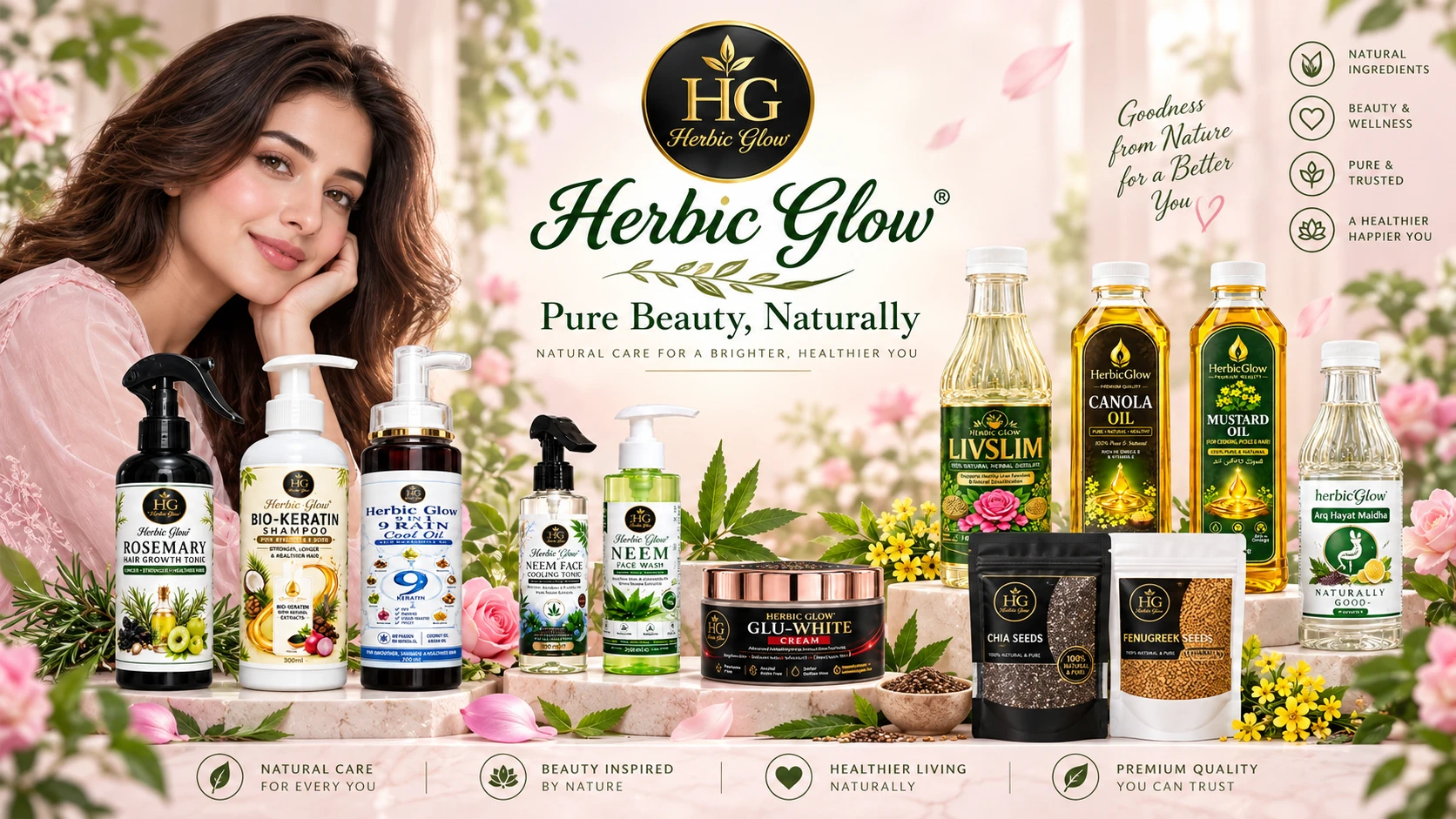
- Seal the strand. Follow with a lightweight hair oil on mid-lengths and ends. Herbic Glow’s For Damaged Hair Skin Care Products range formulates these steps with traditional herbs in modern, non-greasy textures.
What to Avoid
Heavy silicones, drying alcohols, and synthetic fragrances sit on the scalp like a film. They block follicles, trigger itch, and eventually make hair look duller. If a product tingles aggressively or leaves a waxy residue, it is not scalp-friendly — no matter what the label claims.
Herbic Glow’s Perspective
We formulate in Daska, Punjab, using herbs our grandmothers trusted — amla, bhringraj, neem, rose — but we stabilize them in clean, lab-tested bases that absorb fast and rinse clean. The goal is not to coat damaged hair in a temporary film. It is to feed the living tissue underneath so the next inch of growth emerges stronger.
Damaged hair does not heal overnight. But when you treat the scalp as skin — cleansing gently, hydrating deliberately, protecting the barrier — you stop the damage at its source. The strands you have today will still need trims, but the ones growing tomorrow will thank you.