
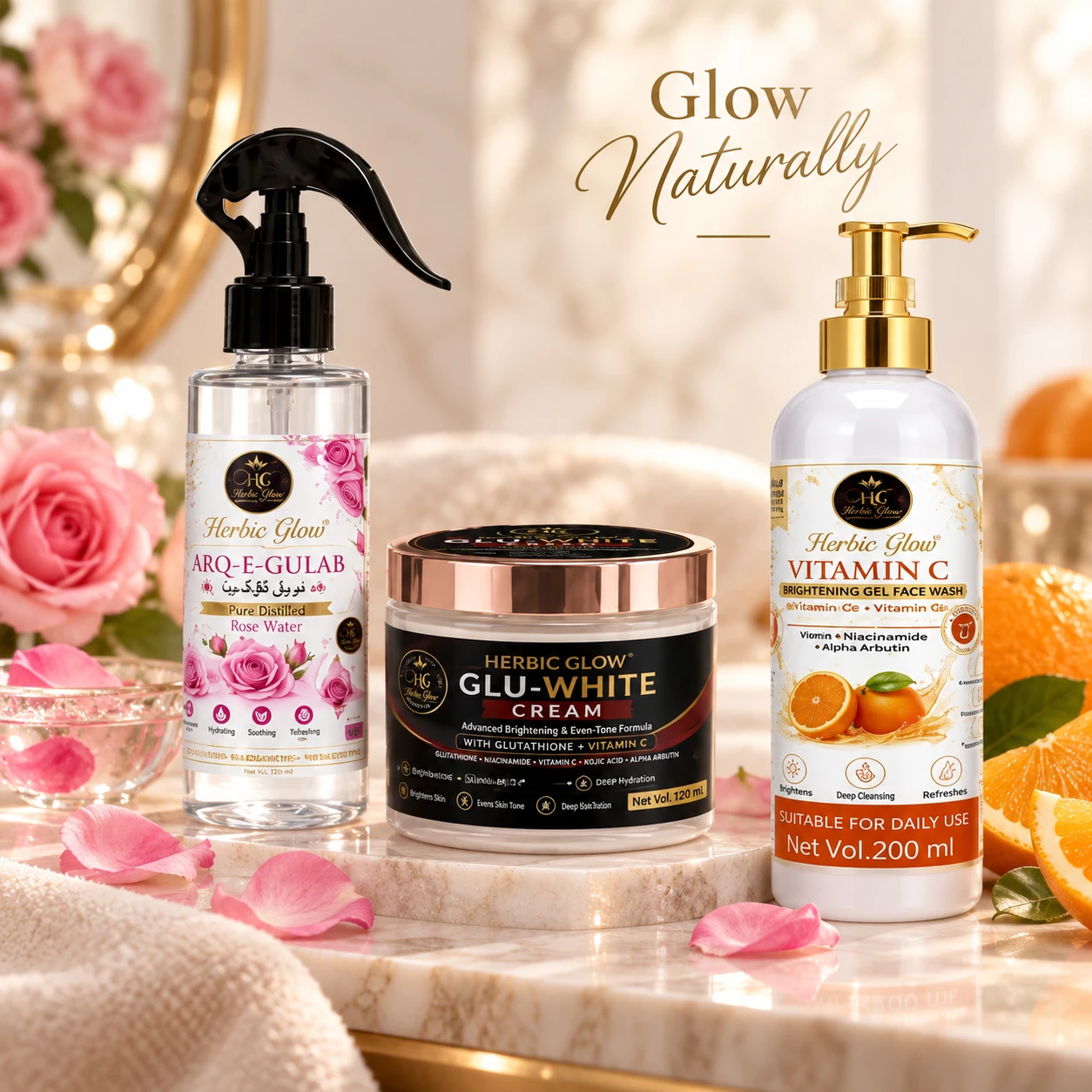
Islamabad’s climate sits at a unique intersection: dry winters, intense summer sun, and a layer of urban dust that settles on skin daily. Add hard water in many sectors and seasonal pollen, and the result is a routine that demands more than a generic cleanser and moisturizer. Understanding how the local environment affects your skin barrier is the first step toward a routine that actually works.
Why Islamabad’s Environment Changes Your Skin Needs
The capital’s altitude and lower humidity compared to coastal cities mean transepidermal water loss happens faster. In winter, indoor heating strips moisture further. Summer brings high UV index days — often 9 to 11 — accelerating photoaging and pigmentation. Dust and construction particulates clog pores and trigger low-grade inflammation, which shows up as dullness, uneven texture, or sudden breakouts.
Hard water, common in sectors supplied by tube wells or older pipelines, leaves mineral deposits that disrupt the skin’s acid mantle. Over time, this weakens barrier function, making skin more reactive to active ingredients like retinoids or acids.
Seasonal Shifts Require Routine Adjustments
- Winter (Nov–Feb): Switch to a cream-based cleanser, layer a hydrating serum with hyaluronic acid or glycerin under a ceramide-rich moisturizer, and never skip sunscreen — UV reflects off dry ground and buildings.
- Spring (Mar–Apr): Pollen counts spike. Use a gentle antioxidant serum (vitamin C, green tea extract) morning and night to calm oxidative stress. Keep exfoliation to once a week.
- Summer (May–Aug): Lightweight, non-comedogenic hydration. Gel moisturizers with aloe or centella asiatica. Reapply broad-spectrum SPF 50+ every two hours outdoors.
- Autumn (Sep–Oct): Repair barrier after summer. Introduce niacinamide to regulate oil and fade post-inflammatory marks. Resume moderate exfoliation (AHA/BHA 1–2× weekly).
Building a Practical Islamabad-Friendly Routine
Consistency beats complexity. A five-step framework covers 90% of needs without overwhelming your shelf or schedule.
1. Cleanse — Twice Daily, pH-Balanced
Morning: A mild sulfate-free cleanser removes overnight sebum and dust without stripping. Evening: Double cleanse if you wear sunscreen or makeup — start with an oil-based balm or micellar water, follow with your regular cleanser. Avoid physical scrubs; they micro-tear compromised barriers.
2. Treat — Target One Concern at a Time
Layering multiple actives (retinol + vitamin C + acids) in Islamabad’s dry air often backfires. Pick one primary goal per 8–12 week cycle:
- Pigmentation: Vitamin C (10–15%) AM, azelaic acid (10%) PM.
- Acne/Congestion: Salicylic acid (1–2%) toner or serum PM, niacinamide (5%) AM.
- Aging/Texture: Retinaldehyde or low-dose retinol (0.025–0.05%) 2–3× weekly PM, peptide serum AM.
- Dehydration/Sensitivity: Centella asiatica, panthenol, ceramides — no actives until barrier recovers.
3. Hydrate — Match Texture to Season
Winter: Rich cream with squalane, shea butter, or oat lipid complex. Summer: Water-gel with hyaluronic acid (multiple molecular weights), propanediol, and beta-glucan. Apply on damp skin within 60 seconds of rinsing to lock maximum water.
4. Protect — Non-Negotiable, Year-Round
Choose a sunscreen you’ll actually reapply. Mineral filters (zinc oxide, titanium dioxide) suit sensitive/reactive skin; modern hybrid formulas blend cosmetic elegance with high UVA-PF. Look for PA++++ rating. Tinted versions add visible-light protection against melasma triggers.
5. Repair — Nightly Barrier Support
Even oily skin needs lipid replenishment. A few drops of cold-pressed rosehip seed oil, jojoba, or a ceramide concentrate pressed over moisturizer seals repair work while you sleep. In winter, add a sleeping mask 2× weekly.
Ingredients That Perform Well in This Climate
Not every trending ingredient suits Islamabad’s conditions. These have consistent evidence and local relevance:
- Niacinamide (4–5%): Regulates sebum, strengthens barrier, fades marks — tolerates hard water and heat.
- Centella asiatica: Anti-inflammatory, accelerates wound healing, calms dust-induced irritation.
- Licorice root extract: Gentle brightener for sun-induced pigmentation, safe for long-term use.
- Polyglutamic acid: Holds 4× more water than hyaluronic acid; forms a flexible film that resists low humidity.
- Bakuchiol: Retinol-alternative with comparable collagen stimulation, zero photosensitivity — ideal for high-UV months.
Common Mistakes Specific to Islamabad Residents
- Over-exfoliating to “remove dust.” Dust sits on the surface; a thorough cleanse removes it. Scrubbing damages the barrier, letting more irritants in.
- Skipping sunscreen indoors. UVA penetrates glass. Office windows, car windshields, and home glazing all transmit aging rays.
- Using Western product recommendations unchanged. Formulas tested in 60–70% humidity often feel tight or pill in Islamabad’s 20–30% winter air.
- Ignoring water quality. A chelating toner (with phytic acid or EDTA) once daily helps remove mineral residue before treatment steps.
- Chasing “glass skin” trends. The dewy look requires humidity you don’t have. Aim for “healthy matte” — hydrated, smooth, minimal shine.
When to See a Dermatologist in Islamabad
Self-care handles maintenance. See a specialist if you notice:
- Persistent cystic acne unresponsive to 8 weeks of OTC salicylic acid/benzoyl peroxide.
- Melasma worsening despite strict SPF and topical brighteners.
- Eczema/psoriasis flares triggered by seasonal shifts.
- Suspicious moles or non-he



Comments (2)
[…] the Skin Care Islamabad section for seasonal product recommendations tailored to the city’s […]
[…] <lidry patches in winter. […]