
When skin looks dull, feels tight, or becomes rough, many people respond by layering on heavier products. That can help temporarily, but genuine nourishment requires a balanced routine that supports the skin barrier, reduces moisture loss, and suits your skin type.
What Does Skin Care for Nourishment Mean?
Skin care for nourishment means giving the skin the hydration and lipid support it needs to look soft, smooth, and comfortable. It is not about overwhelming the face with products. A well-nourished barrier is better able to retain moisture and cope with everyday exposure to cleansing, weather, and friction.
Nourishing care usually combines three types of ingredients:
- Humectants, such as glycerin and hyaluronic acid, attract and hold water in the upper layers of the skin.
- Emollients, including suitable plant oils and squalane, help smooth the spaces between skin cells.
- Barrier-supporting ingredients, such as ceramides and fatty acids, help limit moisture loss and maintain comfort.
Nourishment is not the same as heaviness. The best routine is the one your skin can absorb comfortably without greasiness, tightness, or irritation.
Signs Your Skin May Need More Nourishment
- A tight or uncomfortable feeling after cleansing
- Dullness or a rough-looking texture
- Flakiness, especially around the cheeks, nose, or mouth
- Make-up settling into dry patches
- Temporary relief after moisturising, followed by renewed dryness
- Increased sensitivity after using several active products
These signs do not always have one cause. Weather, harsh cleansers, over-exfoliation, and individual skin conditions can all contribute. Persistent redness, pain, cracking, or irritation deserves professional advice.
A Practical Nourishing Skin-Care Routine
- Cleanse gently. Use a mild, non-stripping cleanser once or twice daily. Lukewarm water is generally more comfortable than very hot water, which can leave some skin feeling drier.
- Add hydration while skin is slightly damp. Apply a hydrating essence, serum, or light moisturiser containing humectants. Damp skin can make this step feel more comfortable, although it does not replace moisturiser.
- Seal in moisture. Follow with a cream or balm suited to your skin type. Dry skin may prefer a richer formula, while oily skin may feel better with a light gel-cream.
- Protect during the day. Use a broad-spectrum sunscreen as the final morning step. Sun protection helps prevent environmental stress and supports overall skin health.
- Exfoliate carefully. If your skin tolerates exfoliation, use a gentle product occasionally rather than scrubbing aggressively. Stop if it causes stinging, redness, or peeling.
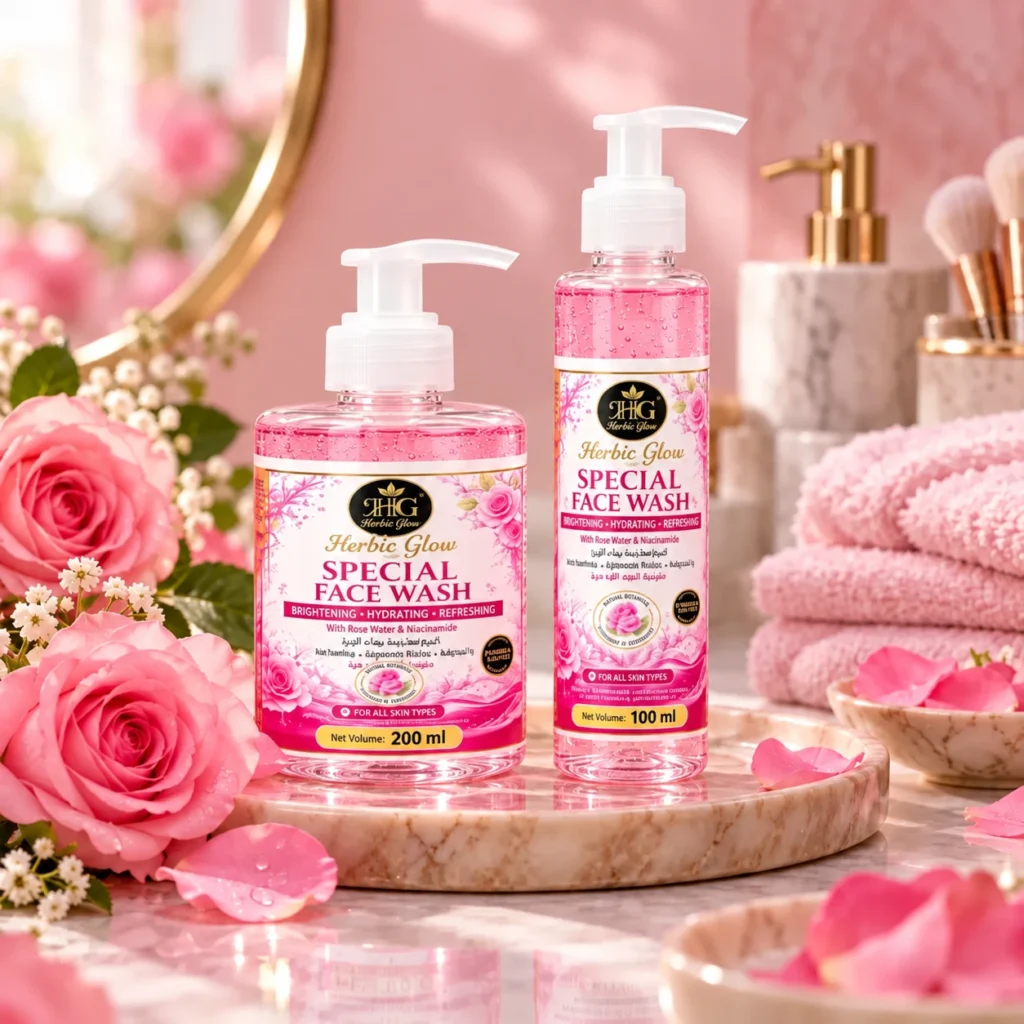
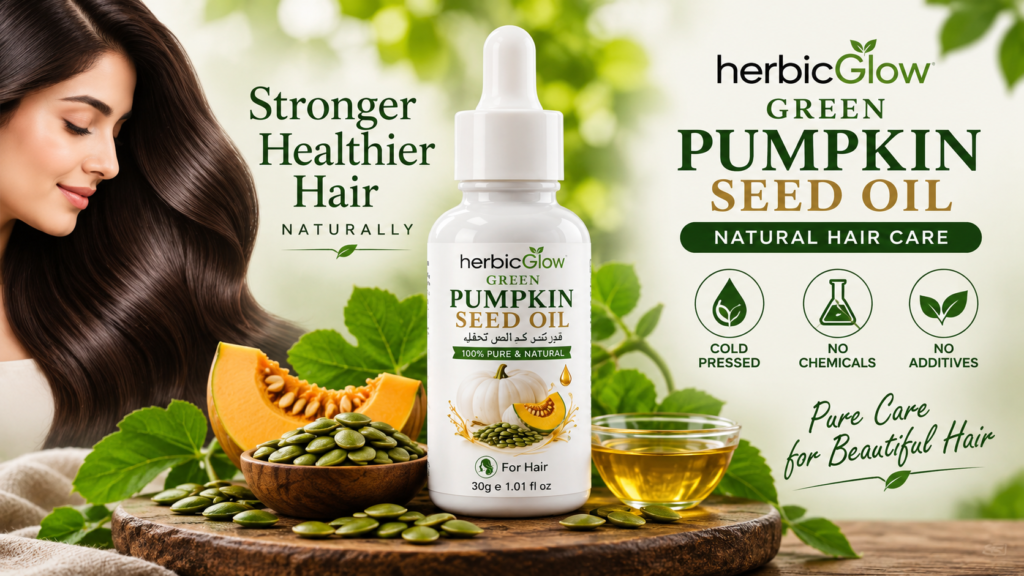
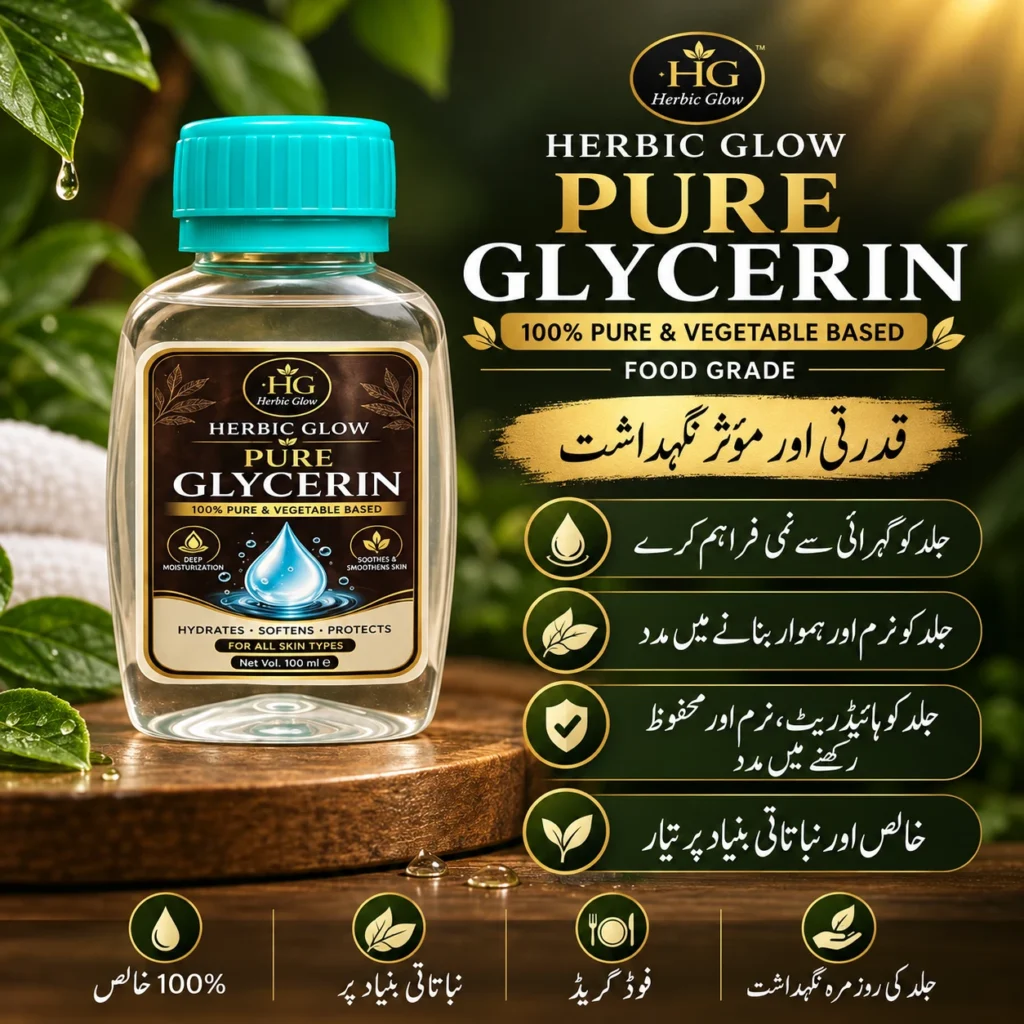
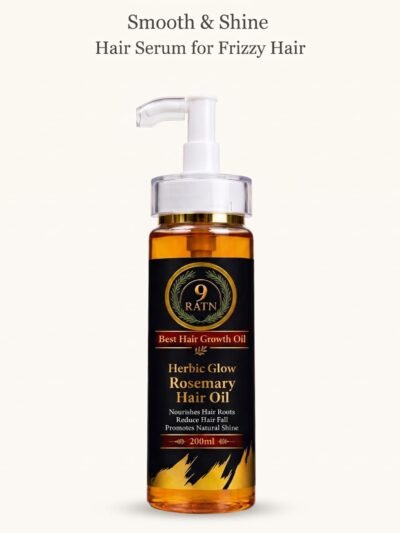
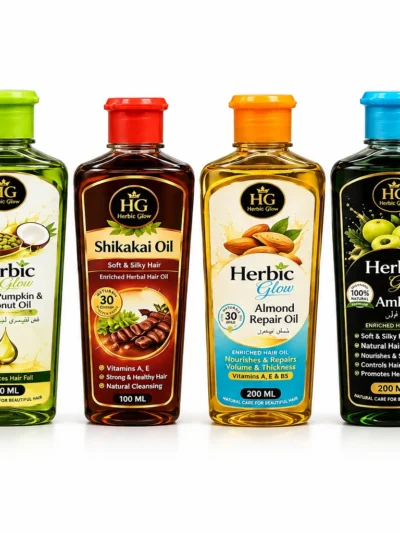
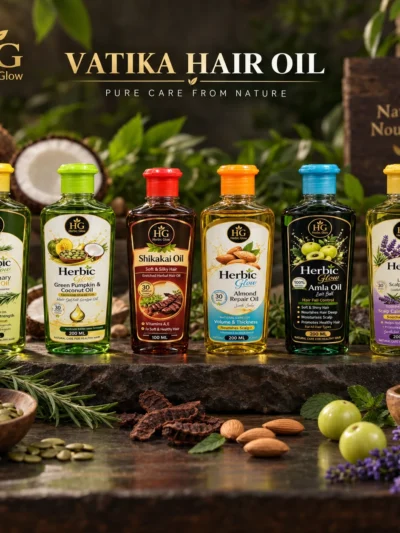
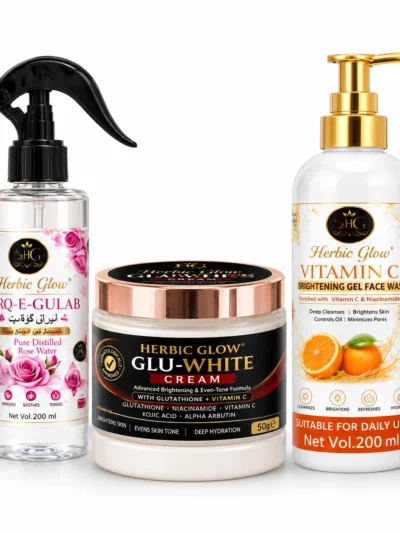
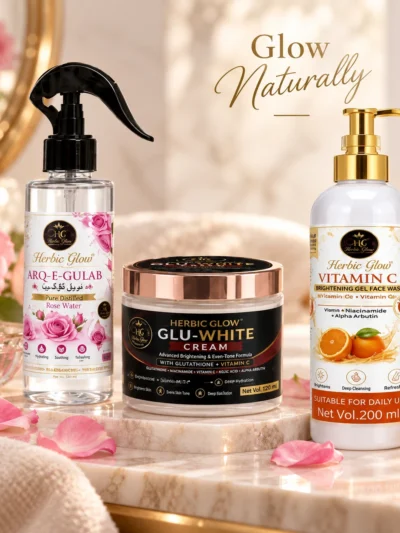
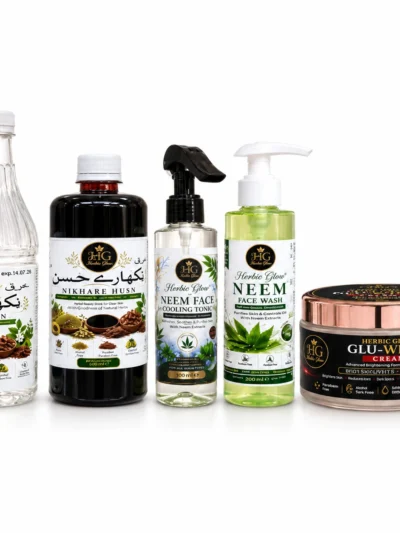
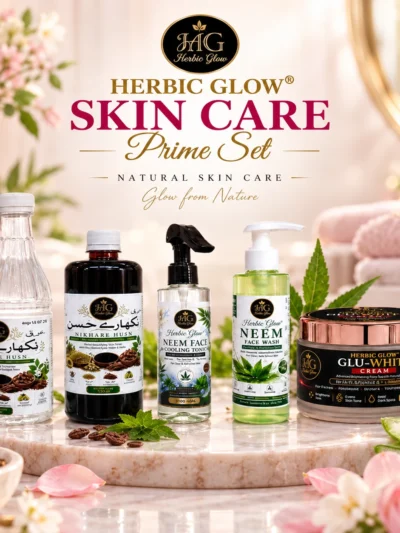
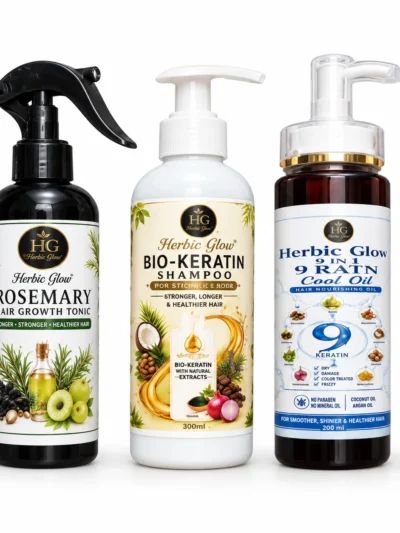
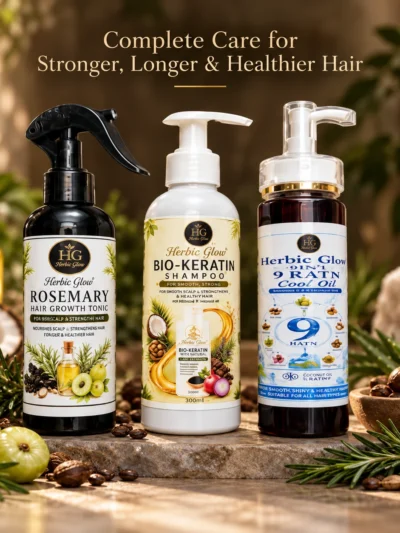
For a product-focused starting point, Herbic Glow’s For Nourishment


Comments (2)
[…] For a deeper dive into how herbal ingredients nourish skin, see the article on Skin Care For Nourishment Explained. […]
[…] are staples in Herbic Glow’s catalog, and you can explore more about their benefits in our Skin Care For Nourishment Explained […]