When you look at a skincare routine, the first question that pops up is often “How much will this cost?” In Pakistan, the answer depends on a mix of ingredients, sourcing, brand positioning, and market trends. Here we break down the key factors that influence the price of skincare products in the country and offer a clear picture of what you can expect from local herbal options like those from Herbic Glow.
The Basics of Skin Care Pricing in Pakistan
Pricing in the skincare market is largely a reflection of three core elements:
- Ingredient quality and source – Natural, organic components usually carry a premium compared to synthetic or mass‑produced alternatives.
- Manufacturing and packaging – Eco‑friendly or high‑end packaging increases costs, while efficient production can help keep prices reasonable.
- Brand positioning – A heritage or premium brand will price higher to reinforce its image; a value brand will compete on affordability.
Local vs. Imported Products
Imported skincare often carries additional taxes, shipping fees, and sometimes a markup by local retailers. This can push prices up by 20–30 %. Local brands, especially those that grow and process herbs domestically, can keep overhead lower, which is why many Pakistani consumers are turning to homegrown solutions.
Herb-Based Skincare: Why It Matters
Herbal ingredients—tender basil, neem, sandalwood, rose water, and many others—are staples in Pakistani traditional medicine. When a brand sources these directly from regional farms, the cost structure shifts:
- Freshness factor – Fresh herbs have higher shelf life and potency, but also a tighter supply window.
- Processing costs – Cold‑pressing oils or making natural extracts demands specialized equipment.
- Certification fees – Organic or GMP certifications add a small but necessary cost.
How Herbic Glow Shapes Its Price Point
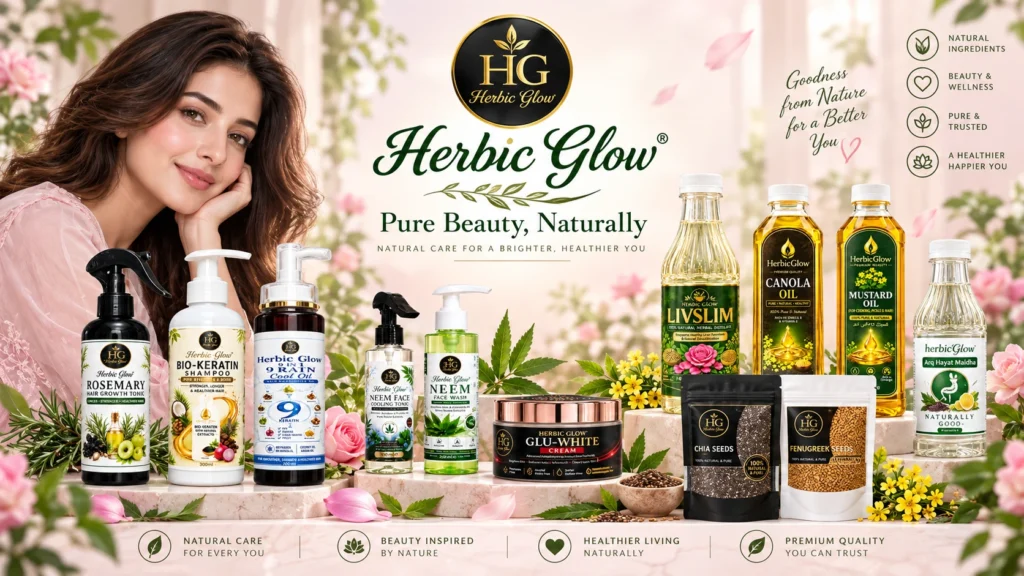
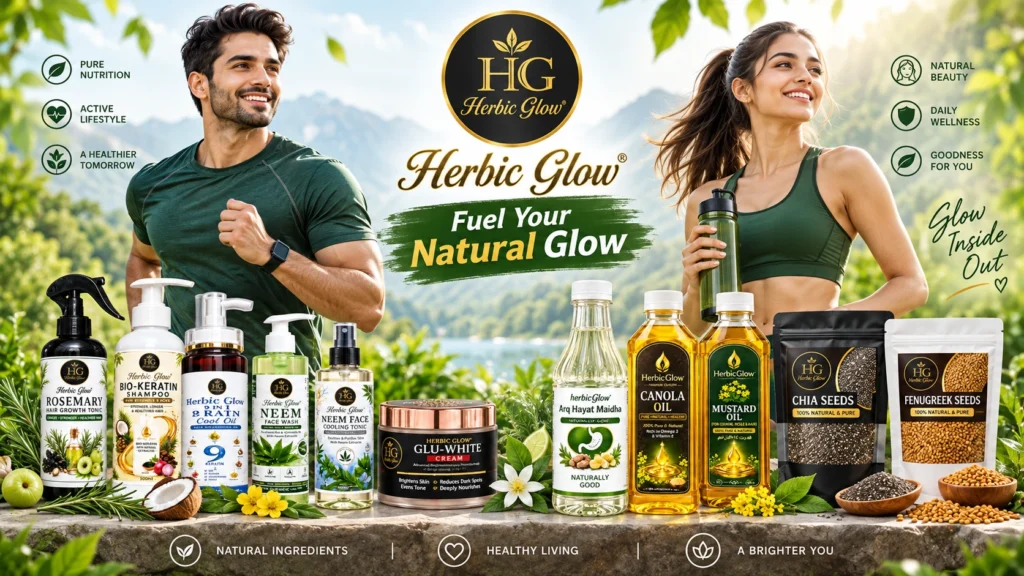
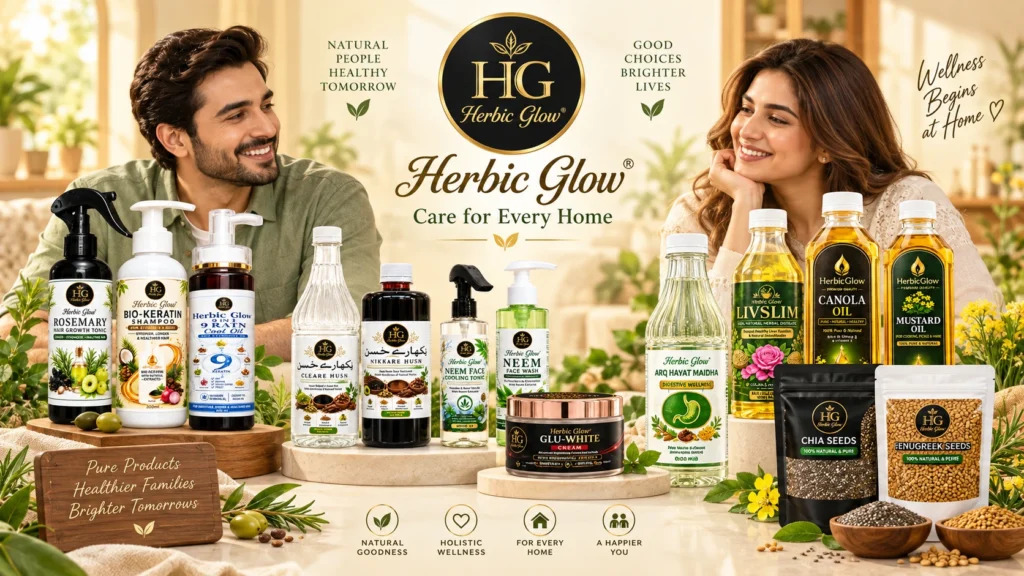
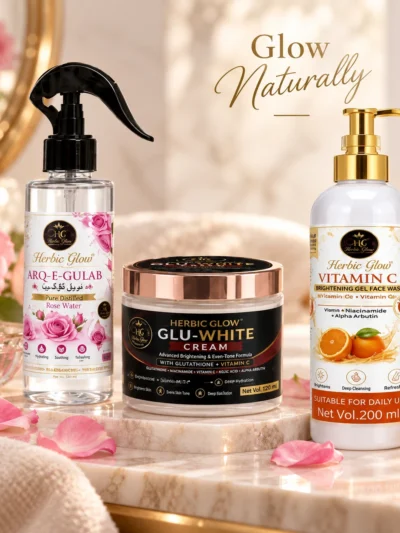
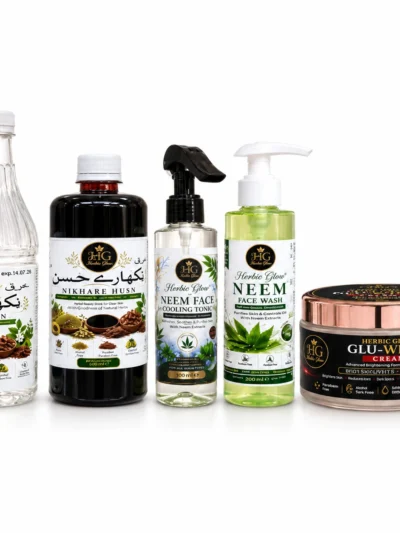
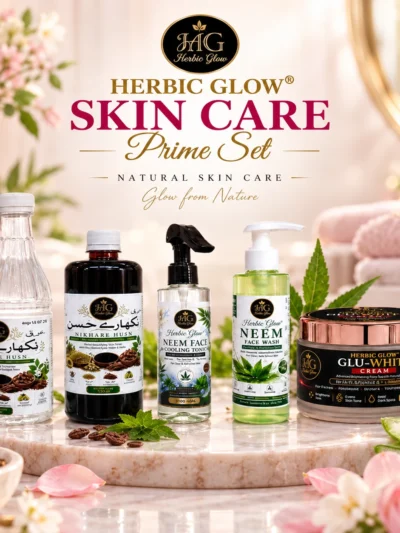
Herbic Glow balances quality and accessibility by integrating traditional herbal knowledge with modern manufacturing practices. The brand’s pricing strategy reflects this dual focus:
- Ingredient sourcing – Raw materials are procured locally from vetted farms, ensuring traceability and reducing import duties.
- Batch size optimization – Small‑batch production limits waste and preserves ingredient integrity, which keeps production costs in check.
- Minimalistic packaging – Clean, recyclable glass or high‑quality PET bottles keep packaging costs down while still offering a premium feel.
Because of these efficiencies, Herbic Glow’s product range typically falls within a mid‑tier price bracket—competitive with other herbal brands yet more affordable than imported luxury lines.
Price Breakdown Example
Below is an illustrative snapshot of how a typical Herbic Glow skin care item might be priced (not actual figures, but a conceptual model):
- Ingredient cost: 25 % of retail price
- Manufacturing & packaging: 15 %
- Branding & marketing: 10 %
- Distribution & retail margin: 30 %
- Profit & contingency: 20 %
These percentages can shift slightly depending on the product type—e.g., a rose water toner may lean more heavily on the ingredient cost, while a moisturizing cream might see a higher packaging contribution.
What Consumers Should Look For
When exploring skincare options in Pakistan, consider these key points to gauge whether a price reflects value:
- Ingredient transparency – Look for a full list of botanical extracts; local brands often list the exact source farm.
- Certification badges – Organic, GMP, or ISO certificates indicate rigorous quality control.
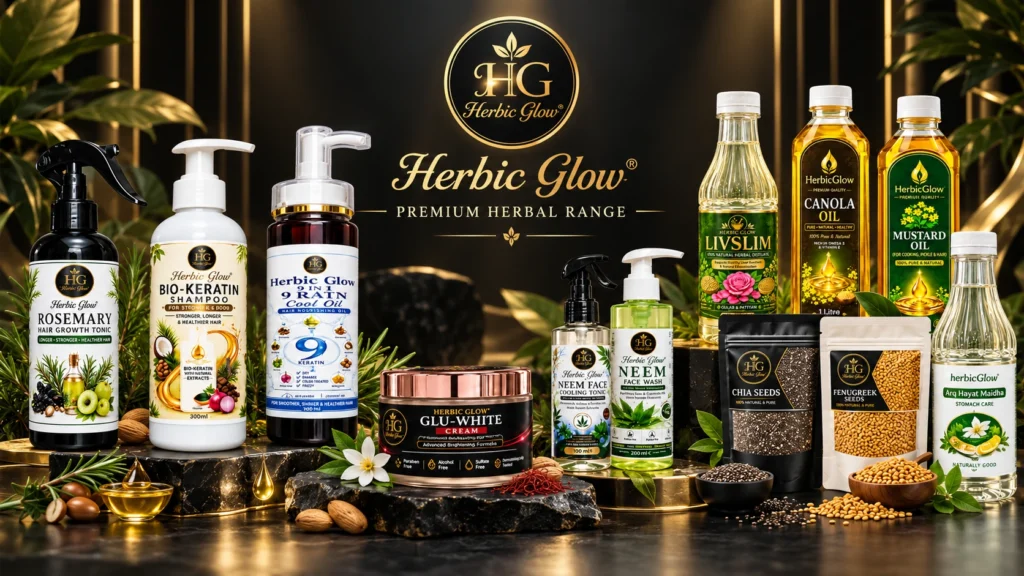
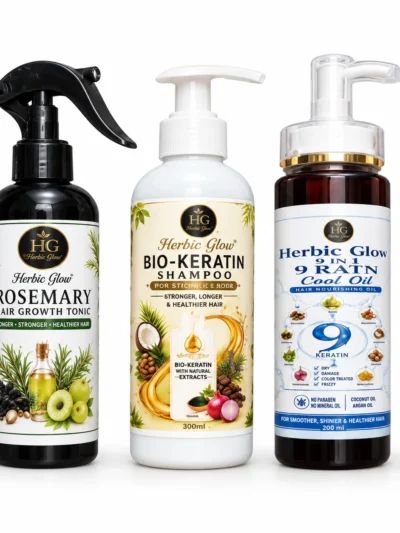
- Product range relevance – Brands that offer complementary hair care, men’s wellness, or superfoods often share a common sourcing philosophy, which can be a sign of overall quality.
- Price consistency – A stable price across similar product categories suggests a well‑managed supply chain.
Finding the Right Balance Between Price and Effectiveness
It’s tempting to chase the lowest price, but in skincare, the cheapest options may use harsh chemicals or fillers that undermine skin health. Conversely, excessively high prices often come with marketing fluff rather than substantive benefits. Aim for a middle ground where:
- The product claims are supported by credible ingredients.
- The brand’s history and reputation are clear.
- Customer reviews reflect genuine results.
In this space, Herbic Glow positions itself as a credible, natural alternative that doesn’t compromise on affordability.
How to Spot a Genuine Herbal Product
Use the following checklist before making a purchase:
- Is the product free from parabens, sulfates, and synthetic fragrances?
- Does it include at least one recognizable botanical name?
- Are there any certifications listed on the packaging or website?
- Is the price within the typical range for comparable herbal products in Pakistan?
Looking Ahead: Trends in Pakistani Skin Care Pricing
The market is evolving. Consumers increasingly demand:
- Transparent ingredient lists.
- Sustainable packaging.
- Evidence‑based claims (clinical studies, dermatologist endorsements).
Brands that adapt to these preferences—by sourcing locally, reducing environmental impact, and maintaining fair pricing—will likely thrive. The next wave of skincare will blend age‑old herbal wisdom with cutting‑edge science, all while staying within a realistic price bracket for the average Pakistani consumer.
For a deeper dive into how specific products are priced in Pakistan, you can explore the Skin Care Price In Pakistan page for detailed product comparisons and pricing insights.
Comments (2)
[…] with affordability. For a detailed comparison of herbal skin care prices across Pakistan, visit our Price In Pakistan Skin Care Explained page. It breaks down how our prices stack up against conventional and other natural brands, showing […]
[…] example, their price in Pakistan skin care explained page outlines how a single jar of herbal face wash can be more cost‑effective over time than a […]