
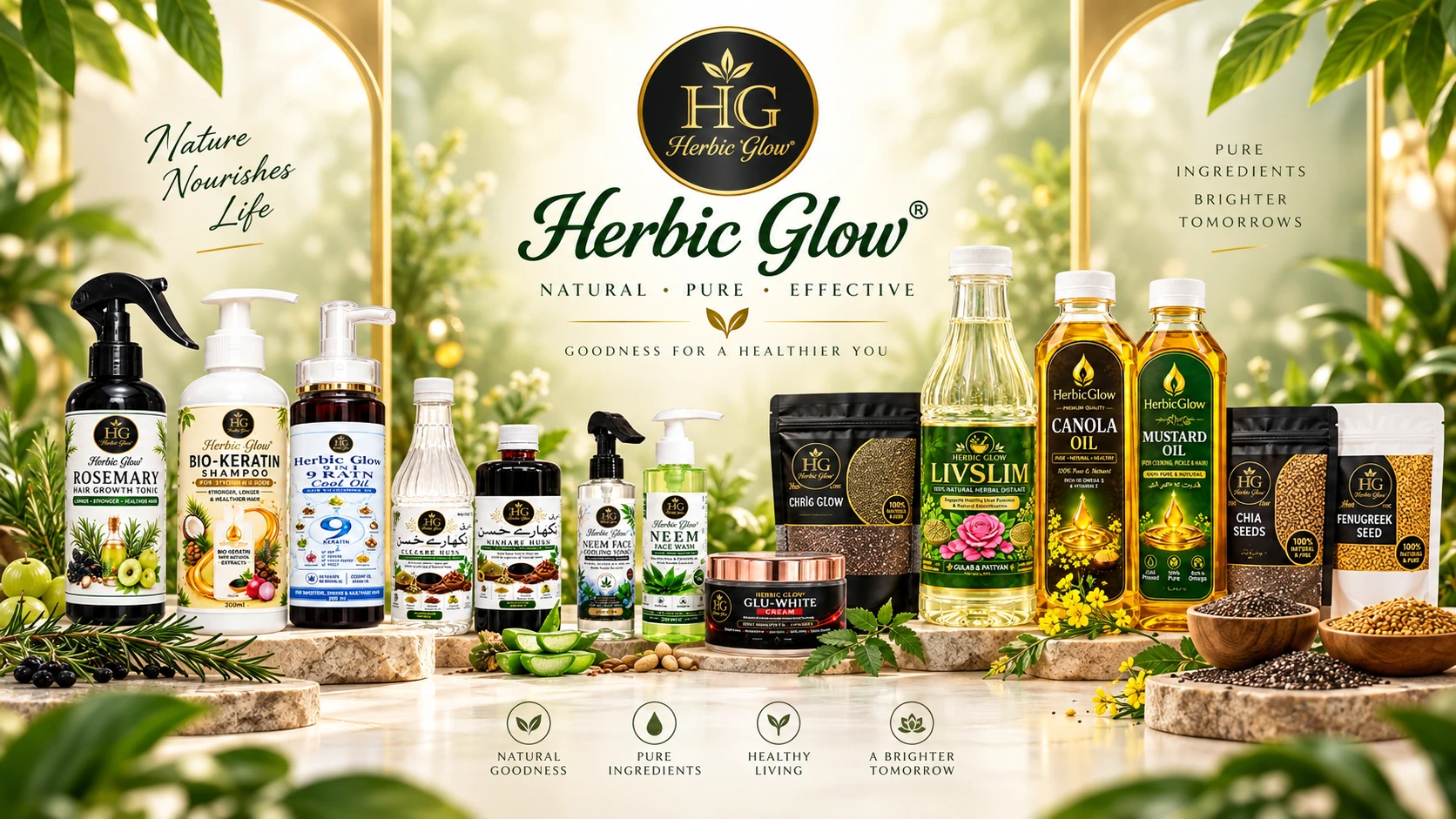
Organic skin care has moved from niche blogs to mainstream conversations, and for good reason. By focusing on ingredients that are grown without synthetic pesticides and processed with minimal environmental impact, these products aim to nourish the skin while reducing exposure to potentially harsh chemicals. For many people, the appeal lies in a simpler, more transparent approach to daily routines—choosing items that align with both personal health goals and a respect for nature. In this guide, we’ll break down what organic skin care truly means, explore its core benefits, and provide a practical framework for integrating it into a modern lifestyle.
What Defines Organic Skin Care?
At its most basic level, organic skin care refers to products whose ingredients are cultivated using organic farming practices. This typically means no synthetic fertilizers, genetically modified organisms, or conventional pesticides. The processing standards also matter; many certifications require that the final formulation avoids artificial preservatives, fragrances, and colorants. While the term “organic” can be loosely used in marketing, genuine organic products undergo third‑party verification to ensure compliance with agricultural and manufacturing guidelines. Understanding these standards helps you differentiate between truly organic offerings and those that merely highlight a few natural‑sounding components.
When you choose certified organic items, you’re also supporting farming methods that protect soil health, conserve water, and promote biodiversity. Those environmental benefits extend to your skin indirectly, as a healthier planet often translates into cleaner air and water—key factors for maintaining clear, resilient skin over time.
Key Benefits for Your Skin
Organic formulations are often richer in antioxidants, vitamins, and essential fatty acids because they retain more of the plant’s natural profile. These nutrients work together to:
- Combat oxidative stress that accelerates aging.
- Provide gentle hydration without clogging pores.
- Reduce the risk of irritation, especially for sensitive skin types.
- Support the skin’s natural barrier function, improving resilience against environmental aggressors.
Because the ingredients are less likely to contain synthetic additives, many users notice fewer breakouts and a more balanced complexion after switching to organic routines. The reduction in exposure to potential allergens also makes organic skin care a sensible choice for individuals with reactive skin.
How to Choose Authentic Organic Products
Not all labels are created equal. Look for recognized organic certifications on the packaging—such as USDA Organic, ECOCERT, or COSMOS—rather than relying solely on “natural” claims. Examine the ingredient list for terms like “certified organic aloe vera,” “cold‑pressed organic rosehip oil,” or “organic green tea extract.” If a product contains a high proportion of organic ingredients, it often reflects in the price, but the investment can be worthwhile for long‑term skin health.
Another practical tip is to research the brand’s transparency policies. Companies that openly share sourcing details, provide batch‑specific information, or offer detailed ingredient breakdowns tend to be more trustworthy. For readers already exploring herbal alternatives, the Herbal Skin Care Explained page can serve as a complementary resource, highlighting how traditional botanicals are integrated into modern organic formulas.
Building a Simple Organic Routine
Creating an effective organic skin care regimen doesn’t require a pantry full of obscure extracts. A streamlined approach typically includes four core steps:
- Clever Cleansing. Choose a gentle, plant‑based cleanser that removes impurities without stripping natural oils.
- Balanced Hydration. Apply a serum or moisturizer infused with organic antioxidants and hyaluronic acid to lock in moisture.
- Targeted Treatment. Incorporate a weekly mask or exfoliant derived from natural fruit enzymes or mild acids.
- Sun Protection. Finish daily routines with an organic SPF that shields against UVA/UVB rays.
Each step can be customized based on skin type and seasonal changes. For instance, a richer organic night cream may be beneficial during dry winter months, while a lighter gel‑based moisturizer works well in humid summers.
Tips for Maximum Effectiveness
To get the most out of organic skin care, consider these practical pointers:
- Patch test. Even natural ingredients can cause reactions; test new products on a small skin area before full application.
- Consistency is key. Organic benefits accumulate over weeks, so maintain the routine without skipping days.
- Storage matters. Keep products in cool, dark places to preserve the potency of delicate botanical compounds.
- Combine with lifestyle habits. Adequate sleep, hydration, and a balanced diet amplify the skin‑positive effects of topical organic care.
Quick Checklist for Organic Skin Care
- ✓ Look for recognized organic certifications on packaging.
- ✓ Prioritize products with minimal synthetic additives.
- ✓ Choose ingredients that align with your specific skin concerns.</


Comment (1)
[…] that are organic skin care certified and free from synthetic […]