
Oily skin can be frustrating: it’s shiny, prone to breakouts, and often feels heavy after cleansing. But a well‑structured routine can tame excess sebum, unclog pores, and give you a balanced, glowing complexion without stripping your skin’s natural defenses.
Understanding the Problem
Oily skin is not just a cosmetic issue—it’s a sign that the skin’s sebaceous glands are producing more sebum than usual. This can happen due to genetics, hormonal shifts, stress, or even the wrong products. When excess oil mixes with sweat and dead skin cells, it creates an environment ripe for acne, blackheads, and dullness.
Common Triggers
- Hormonal fluctuations (puberty, menstrual cycle, pregnancy)
- High‑glycemic foods and dairy
- Harsh cleansers that strip natural oils
- Over‑washing or excessive scrubbing
- Inappropriate moisturizers with heavy emollients
Key Principles for Oily‑Skin Care
The goal is to regulate sebum production while maintaining the skin’s protective barrier. Below are the core principles that form the backbone of a successful routine.
1. Gentle Cleansing
Use a foaming or gel cleanser that’s free of sulfates and alcohol. Look for ingredients like salicylic acid (BHA) for exfoliation and niacinamide for sebum control.
2. Exfoliation, Not Over‑Exfoliation
Chemical exfoliants (AHAs, BHAs) help dissolve surface debris and unclog pores. Aim for 1–2 times per week to avoid irritation.
3. Lightweight, Oil‑Free Moisturization
Even oily skin needs hydration. Choose a non‑comedogenic, gel‑based moisturizer or a lightweight serum with hyaluronic acid.
4. Targeted Spot Treatments
Use products containing benzoyl peroxide or tea tree oil for active breakouts. Apply sparingly to avoid drying the surrounding skin.
5. Sun Protection
Opt for a matte, oil‑free sunscreen with at least SPF 30. UV exposure can increase oil production and worsen acne.
6. Lifestyle Adjustments
Balanced diet, adequate sleep, and stress management are vital. Herbal teas rich in antioxidants (e.g., green tea) can complement your routine.
Step‑by‑Step Routine
Below is a practical, easy‑to‑follow daily plan. Feel free to adjust the timing based on your schedule.
- Morning:
- Cleanse with a gentle foaming cleanser.
- Apply a niacinamide serum (optional for oil control).
- Moisturize with a lightweight, oil‑free gel.
- Finish with a matte sunscreen.
- Evening:
- Double cleanse: first with an oil‑based cleanser to dissolve makeup, then with a gentle foaming cleanser.
- Apply a BHA or AHA exfoliant 2–3 times a week.
- Use a spot treatment on active blemishes.
- Moisturize with a light gel or serum.
- Optional: apply a herbal mask once a week (e.g., charcoal or clay mask) to absorb excess oil.
- Weekly:
- 1–2 times: chemical exfoliation.
- 1–2 times: clay or charcoal mask.
- Daily: herbal tea or antioxidant supplement for internal support.
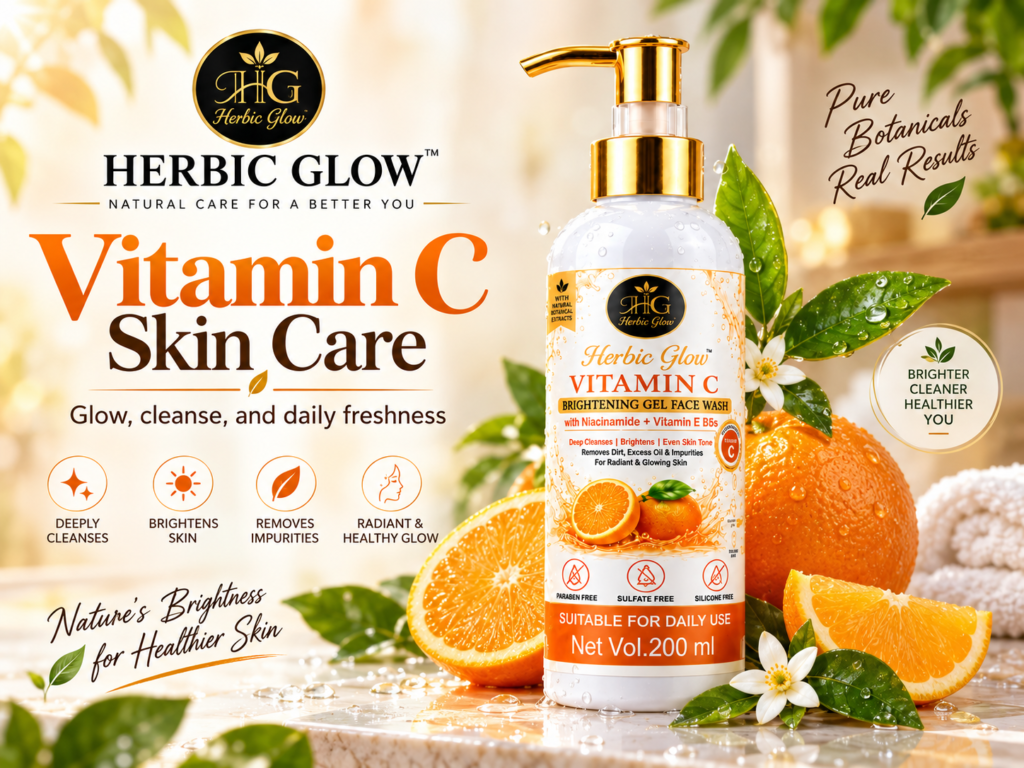
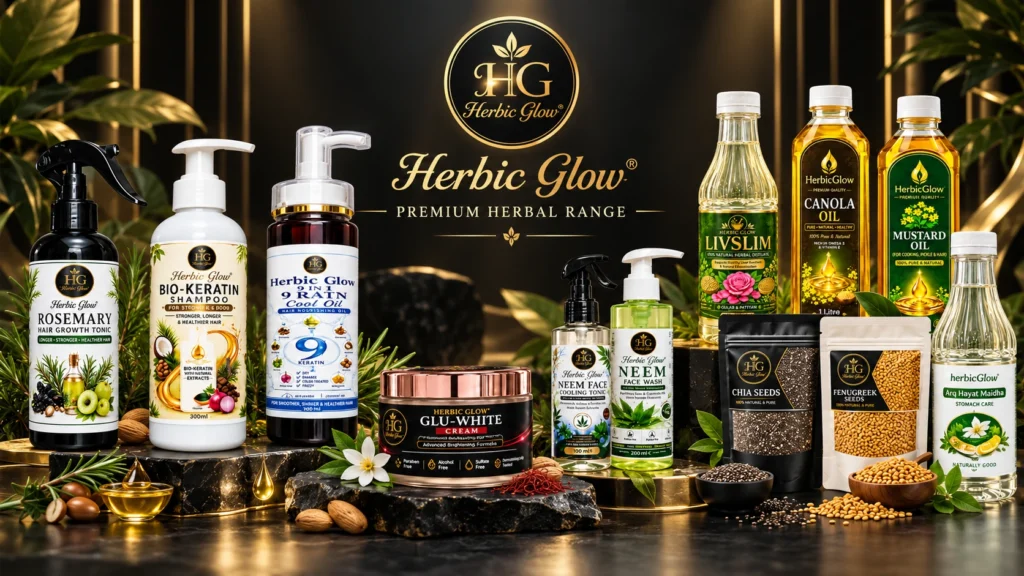
Herb‑Powered Solutions from Herbic Glow
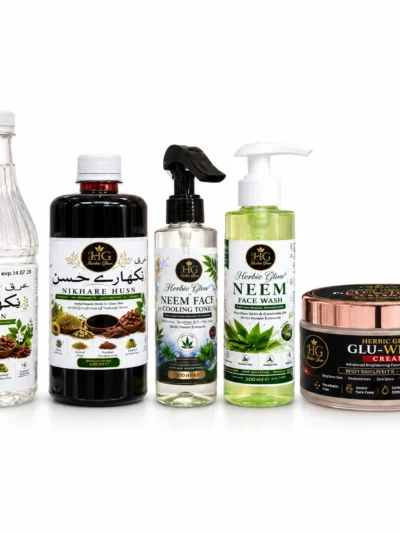
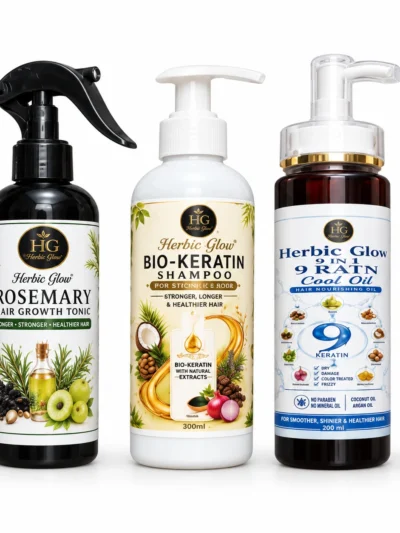
Herbic Glow’s products blend traditional herbal wisdom with modern dermatological science. Below are a few picks that are especially effective for oily skin.
Herbic Glow Herbal Clay Mask
This mask harnesses bentonite clay’s oil‑absorbing properties, enriched with neem and turmeric to calm inflammation.
Herbic Glow Fresh Facial Cleanser
Formulated with aloe vera and green tea extract, it cleanses without stripping the barrier.
Herbic Glow Matte Gel Moisturizer
A lightweight, oil‑free gel containing hyaluronic acid and niacinamide—perfect for daily hydration.
All products are free from parabens, sulfates, and synthetic fragrances, ensuring that you treat oily skin gently yet effectively.
When to Seek Professional Guidance
If your breakouts persist, or you notice severe redness or scarring, consider a dermatologist’s consultation. A professional can prescribe targeted treatments, such as topical retinoids or oral antibiotics, and help tailor your routine to your skin’s needs.
Final Thoughts
Managing oily skin is less about harsh products and more about balance. By cleansing gently, exfoliating smartly, moisturizing lightly, and protecting with sunscreen, you can keep excess oil in check and reveal a clearer, fresher complexion.
For a deeper dive into how different skin types benefit from tailored routines, explore our For Dry Skin Skin Care Explained guide.




Comments (3)
[…] a deeper dive into the science behind oily skin care, see our For Oily Skin Skin Care Explained […]
[…] oil or dryness level interacts with its sensitivity, you may find it helpful to read our guides on skincare for oily skin and skincare for dry skin alongside this one. Combining that knowledge with the […]
[…] in more detailed guidance for a specific skin type? Check out our dedicated posts: For Oily Skin Skin Care Explained and For Dry Skin Skin Care […]