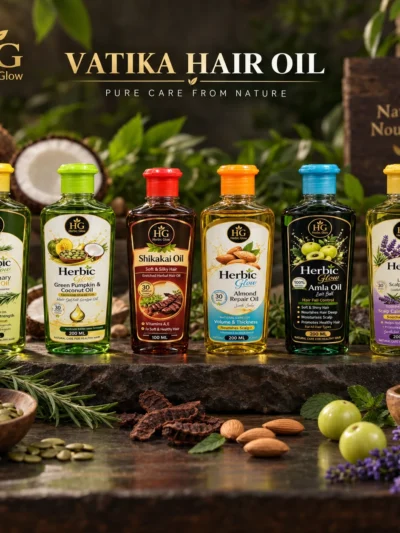

Many people face hair fall while also caring for their skin. The good news is that the right herbal skin‑care routine can support stronger, fuller hair while keeping the scalp and face healthy. Here’s a quick guide to choosing the best natural products for hair fall and how to use them.
Why Herbal Skin Care Helps Hair Health
Hair growth starts at the scalp, so any product that nourishes the skin can directly influence hair follicles. Herbal ingredients such as rosemary, nettle, and bhringraj stimulate circulation, reduce inflammation, and supply essential vitamins that help hair follicles thrive. When you use a gentle, plant‑based cleanser or moisturizer on your scalp, you create a balanced environment that prevents dandruff, itching, and clogged follicles—common culprits of hair fall.
Key Ingredients to Look For
When searching for skin‑care products that also benefit hair, keep an eye on these natural components:
- Rosemary – boosts blood flow and encourages growth.
- Chamomile – calms the scalp and reduces irritation.
- Jojoba oil – mimics scalp sebum, keeping follicles hydrated.
- Castor oil – rich in ricinoleic acid, known for strengthening roots.
- Ginseng – promotes cellular renewal and improves texture.
- Vitamin E – protects cells from oxidative stress.
- Neem – antimicrobial properties help clear up scalp infections.
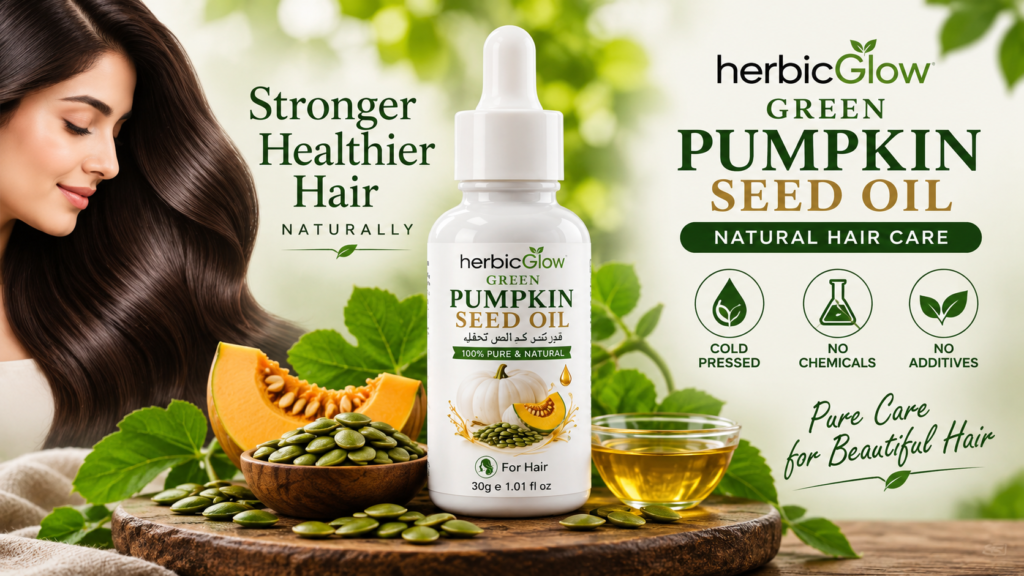
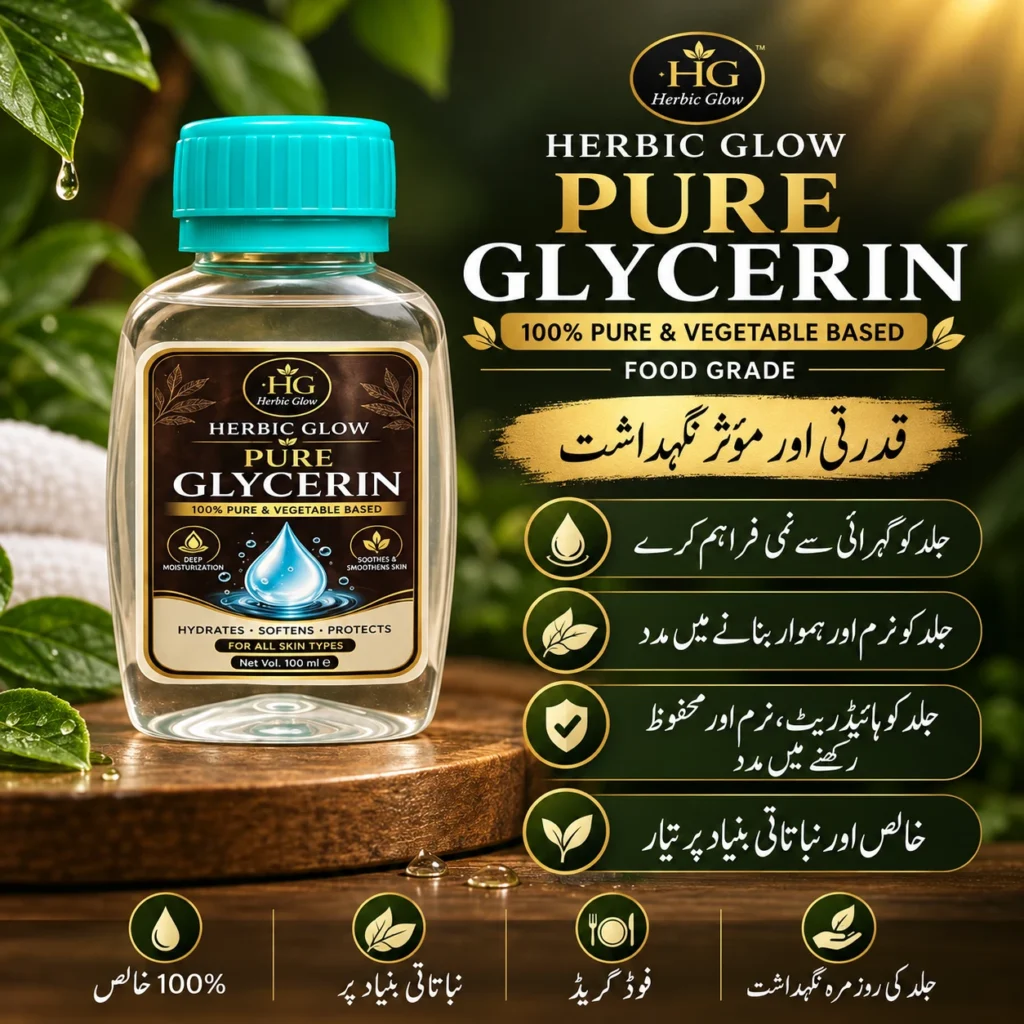
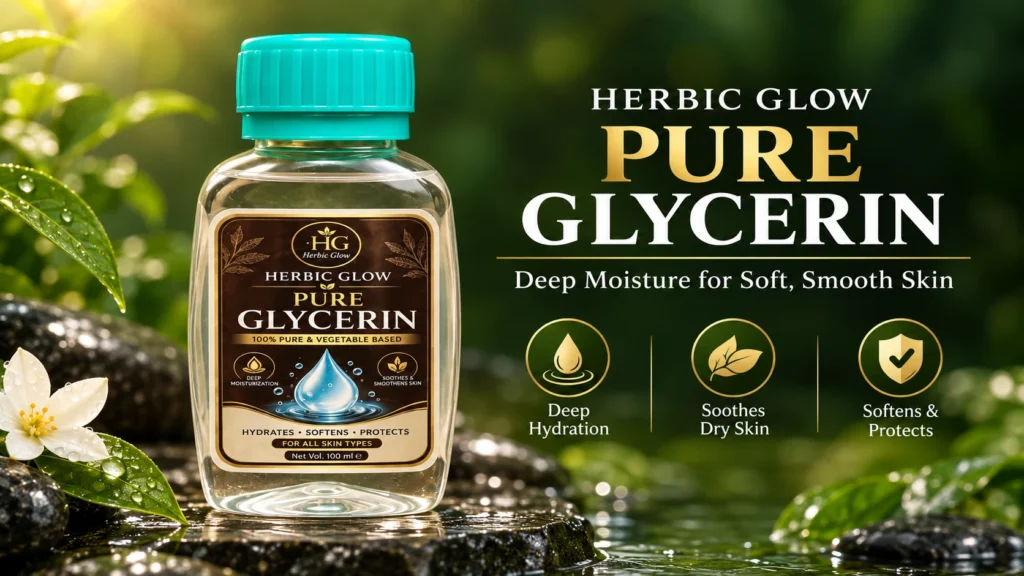
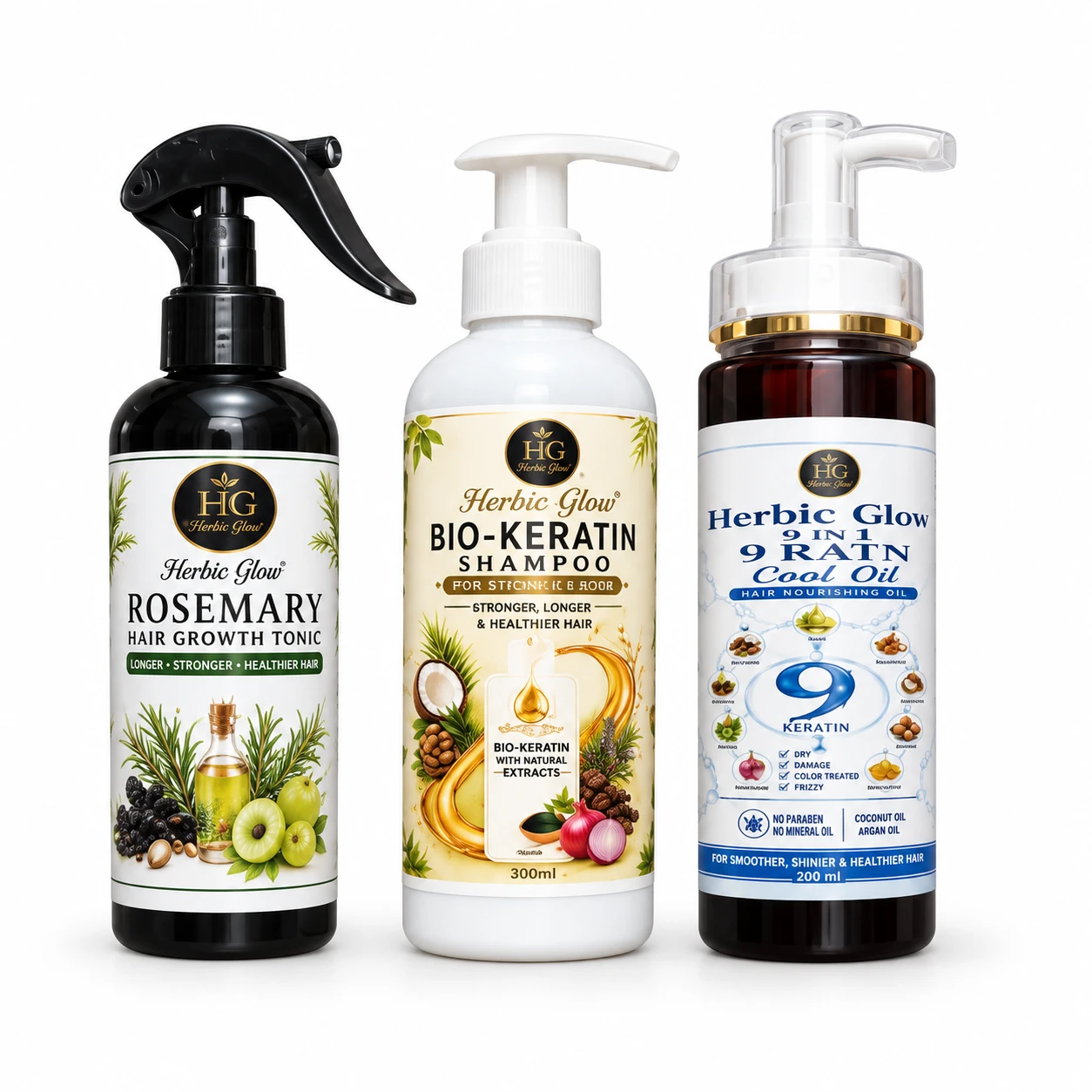
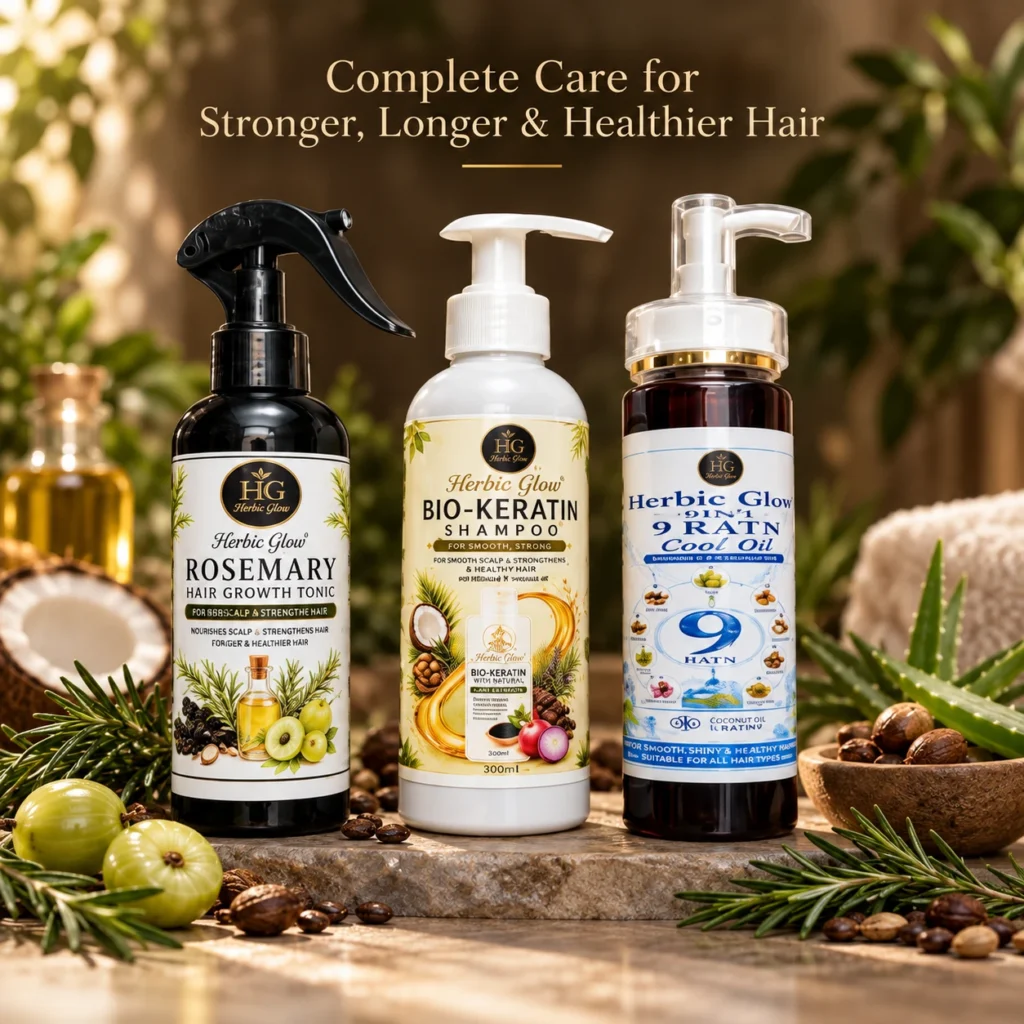
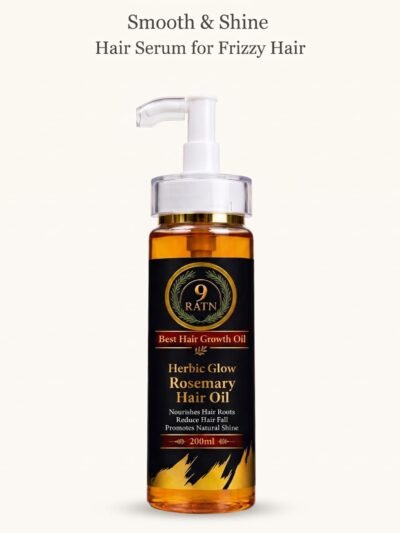
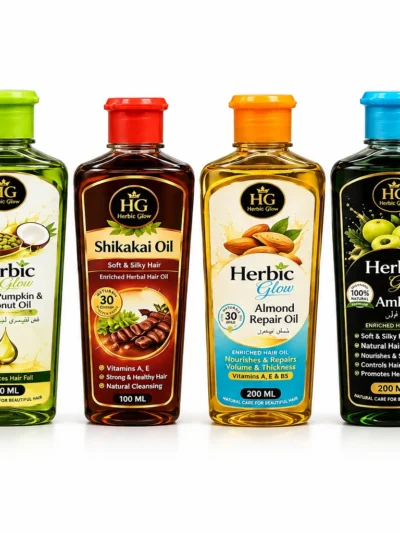
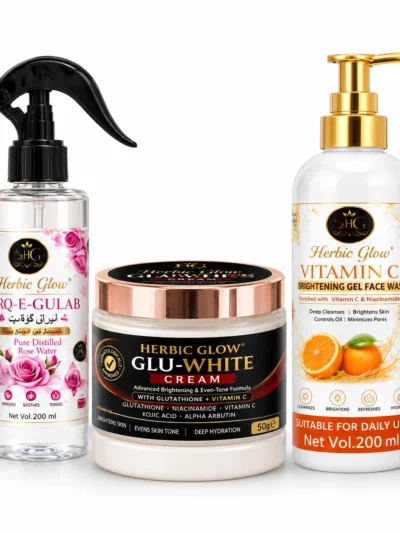
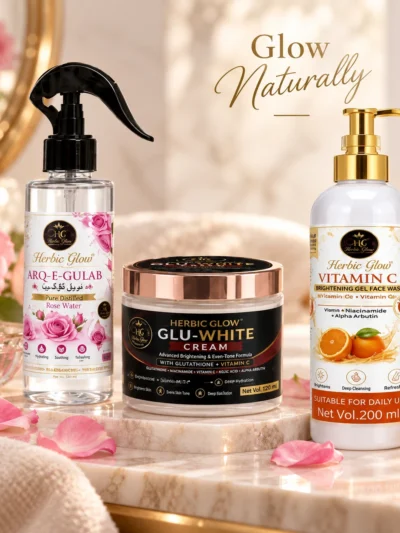
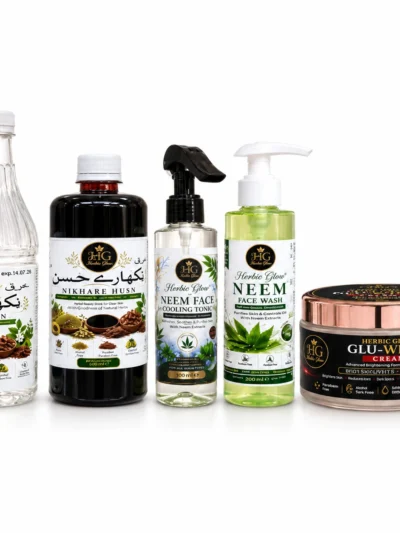
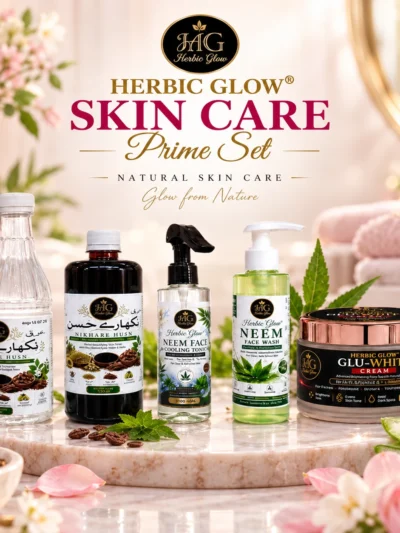
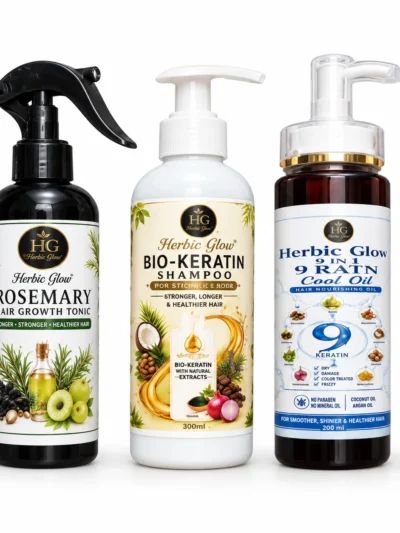
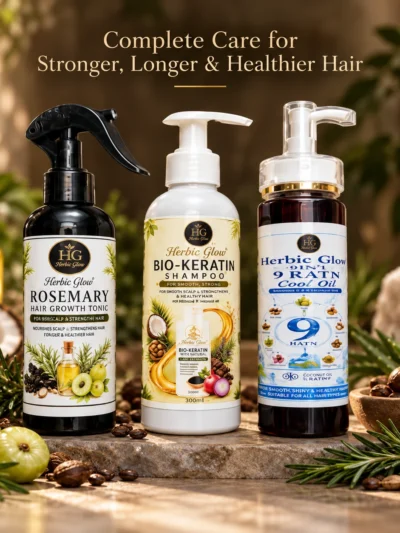
Herbic Glow’s For Healthy Hair Skin Care Products line blends several of these ingredients into gentle, fragrance‑free formulas that work for both skin and scalp.
How to Build a Daily Routine
- Cleanse gently. Use a mild, herbal shampoo or a rose‑water facial wash to remove excess oil and impurities without stripping natural oils.
- Apply a targeted serum. After cleansing, dab a few drops of a lightweight scalp serum (rich in rosemary or nettle) onto the scalp, massaging in circular motions for 2–3 minutes.
- Moisturize the skin. Follow with a light, antioxidant‑rich moisturizer that includes vitamin E and jojoba oil to keep the facial skin supple.
- Night treatment. Apply a small amount of castor or bhringraj oil to the scalp before bed to allow the nutrients to absorb overnight.
- Weekly mask. Treat your scalp once a week with a herbal mask (e.g., neem or turmeric) to detoxify and strengthen follicles.
Consistency is key. It often takes 4–6 weeks of regular use to see a noticeable reduction in hair fall and improved scalp health.
Comparison: Herbal Hair Oil vs Scalp Serum
Both options provide nourishment, but they differ in purpose and application.
- Hair Oil
- Deeply hydrates the entire strand.
- Best used on damp hair or as a pre‑wash treatment.
- Ideal for dry or damaged hair that needs intense moisture.
- Scalp Serum
- Targets the follicles directly.
- Lightweight, so it won’t weigh hair down.
- Great for fine or oily hair types that still need scalp support.
Choosing the right product depends on your hair type and specific needs. For most users dealing with hair fall, a combination of both—oil for the hair and serum for the scalp—provides comprehensive care.
Cautions and Tips for Long‑Term Success
Even natural products should be used thoughtfully. Here are a few pointers:
- Patch test. Before applying a new product to your scalp or face, test on a small skin area to rule out allergic reactions.
- Avoid over‑washing. Washing too frequently can strip natural oils that support hair growth; aim for 2–3 times a week.
- Watch for fragrance. Some essential oils may irritate sensitive skin—look for fragrance‑free formulations if you have eczema or psoriasis.
- Pair with healthy habits. Adequate hydration, a balanced diet rich in omega‑3s and iron, and regular exercise complement topical care.
- Consult a professional. Persistent, severe hair loss should be evaluated by a dermatologist or trichologist.
With the right herbal skin‑care strategy, you can nurture both your hair and your skin simultaneously, achieving a radiant, healthy look that reflects the natural ethos of Herbic Glow.