Dandruff is not a single condition but a symptom — usually of an imbalanced scalp microbiome, excess sebum, or sensitivity to a common yeast called Malassezia. Effective skin care products for dandruff target the root cause: they reduce fungal overgrowth, calm inflammation, and restore the scalp’s natural barrier without stripping moisture. The right routine combines a gentle cleansing base with active botanicals or proven actives like zinc pyrithione, ketoconazole, or salicylic acid, depending on severity.
Understanding Dandruff and Scalp Health
The scalp is skin, yet it’s often treated differently than the face. It has a high density of sebaceous glands and hair follicles, creating a warm, lipid-rich environment where Malassezia thrives. When this yeast breaks down sebum, it produces oleic acid — a byproduct that penetrates the stratum corneum and triggers inflammation in sensitive individuals. The result: flaking, itch, and sometimes redness.
Not all flakes are dandruff. Dry scalp, product buildup, psoriasis, and seborrheic dermatitis can mimic it. A proper diagnosis matters, but most mild-to-moderate cases respond well to consistent use of targeted scalp care.
Key Ingredients to Look For
Herbal and science-backed ingredients can work together. Look for products that include one or more of the following:
- Neem & tea tree oil — antimicrobial, anti-inflammatory, and traditionally used in South Asian herbal care for scalp issues.
- Zinc pyrithione — reduces fungal load and normalizes cell turnover; common in medicated shampoos.
- Ketoconazole — antifungal agent effective against Malassezia; often used 2× weekly.
- Salicylic acid — keratolytic that lifts thick scale and unclogs follicles.
- Aloe vera & panthenol — soothe irritation and support barrier repair after active treatment.
- Rosemary & peppermint extracts — stimulate circulation and provide a cooling sensation that reduces itch.
Types of Products for Dandruff Management
- Medicated anti-dandruff shampoo — the primary treatment. Use 2–3 times per week, leaving it on the scalp for 3–5 minutes before rinsing.
- Gentle daily co-wash or herbal shampoo — for non-treatment days. Keeps the scalp clean without disrupting the microbiome.
- Scalp tonic or serum — leave-on formulas with neem, tea tree, or niacinamide to extend active contact time.
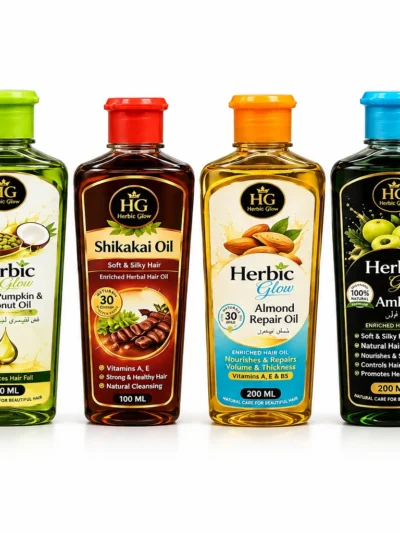
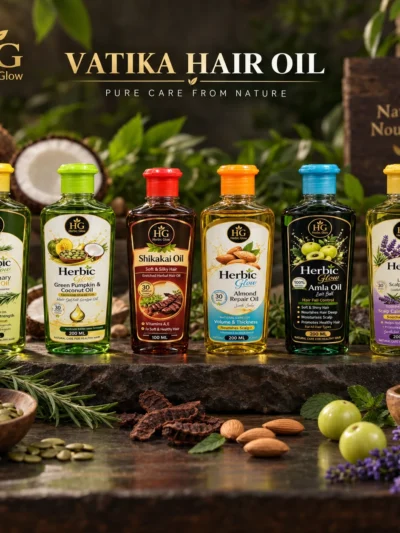
- Pre-wash scalp oil — applied 30 minutes before shampooing; softens scale and delivers herbal actives (e.g., neem-infused coconut or sesame oil).
- Exfoliating scalp scrub — used once weekly to remove dead skin and product residue; choose fine, biodegradable particles.
Comparison: Medicated vs. Herbal Approaches
Medicated shampoos (zinc pyrithione, ketoconazole, selenium sulfide) offer fast, reliable control for moderate-to-severe flaking. They are regulated, well-studied, and effective — but can be drying or irritating with long-term daily use. Herbal formulations — especially those rooted in Unani or Ayurvedic traditions — tend to be gentler, support barrier health, and address itch and inflammation holistically. They may take longer to show results but are often better tolerated for maintenance.
Caution: Avoid rotating too many actives at once. Combining ketoconazole, salicylic acid, and strong essential oils in the same week can compromise the scalp barrier and worsen irritation. Pick one primary treatment shampoo and support it with gentle, barrier-friendly products.
Building a Sustainable Routine
Consistency beats intensity. A practical weekly framework:
- Treatment days (2–3×/week): Medicated or herbal anti-dandruff shampoo → leave on 3–5 min → rinse → lightweight scalp serum if needed.
- Maintenance days: Gentle herbal shampoo or co-wash → conditioner on lengths only.
- Once weekly: Pre-wash neem oil massage → mild exfoliating scrub (if no open irritation) → treatment shampoo.
Adjust frequency based on response. Once flaking subsides, shift to maintenance: one treatment wash per week plus herbal care on other days. Seasonal changes, stress, and diet can trigger relapse — keep a baseline routine rather than stopping entirely.
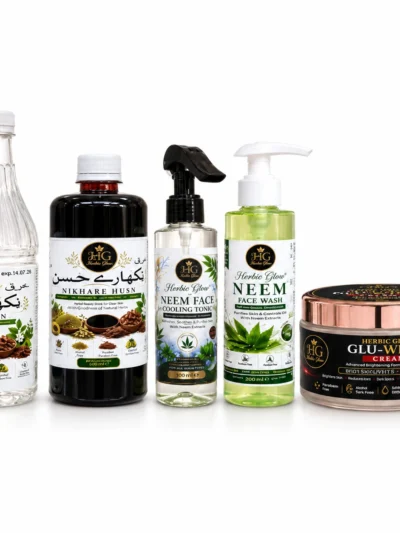
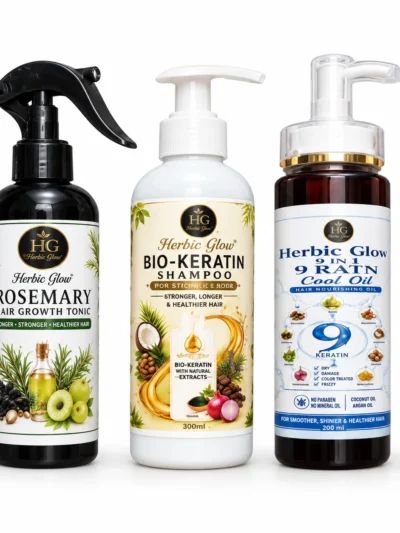
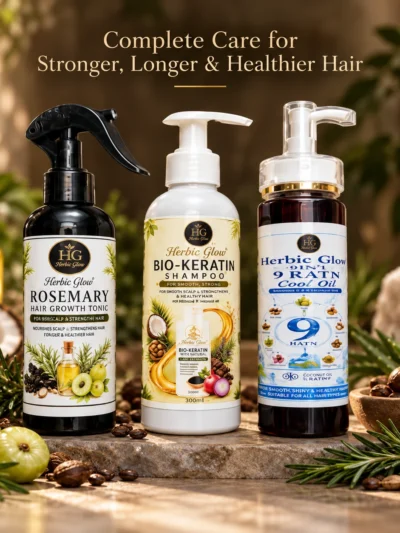
For a curated selection of herbal and medicated options suited to Pakistani water and climate conditions, explore our range of scalp care products for dandruff formulated with neem, tea tree, and barrier-supporting botanicals.