
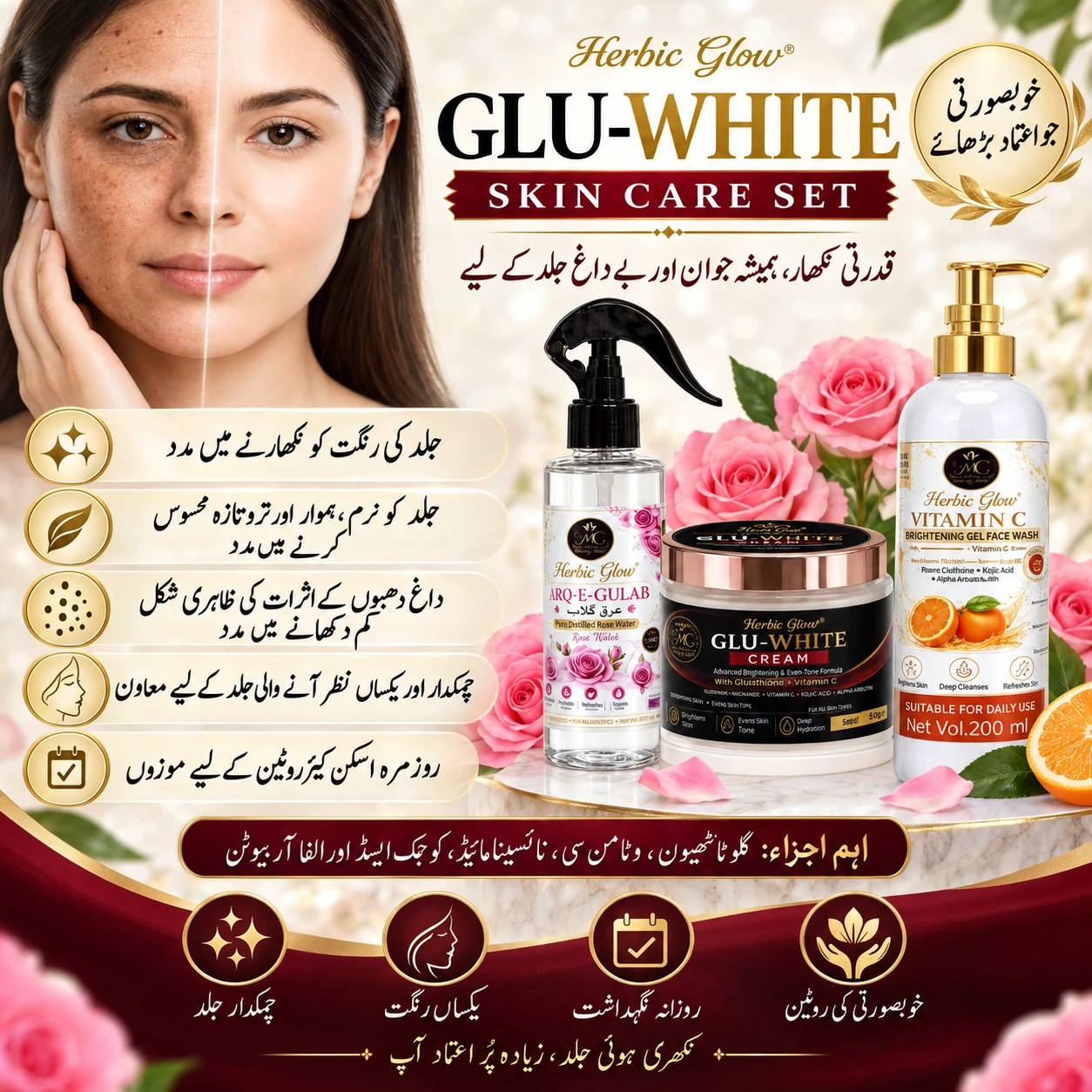
Navigating the skincare market often leaves buyers asking a straightforward question: why does one product cost a fraction of another that claims to do the exact same thing? Understanding skincare price differences helps you spend your budget where it truly counts, whether you are building a simple daily regimen or seeking targeted botanical solutions.
A higher price tag does not automatically guarantee superior performance. Often, price is determined by factors that have little to do with how well a formula cares for your skin barrier, hydration levels, or long-term complexion health.
What Actually Drives the Skincare Price?
When you purchase a cleanser, toner, or face oil, several production and operational elements shape the retail cost. Knowing what goes into that calculation makes it easier to spot genuine quality versus inflated marketing.
- Sourcing and Quality of Ingredients: Fresh, cold-pressed plant oils, pure herbal extracts, and ethically harvested botanicals require careful sourcing and processing. Formulas built with high concentrations of active herbal ingredients naturally cost more to formulate than those diluted with generic fillers and water.
- Batch Size and Processing: Small-batch production ensures freshness and maintains the integrity of delicate herbal components, though it lacks the mass-scale discounts enjoyed by industrial synthetic manufacturers.
- Packaging Choices: Quality matters in containers. Amber glass bottles and airtight pumps protect active herbal compounds from oxidation and light degradation, adding slightly to packaging costs while preserving shelf stability.
- Branding and Marketing Markups: In many luxury commercial lines, a substantial portion of the retail price pays for celebrity endorsements, high-budget advertising, and ornate outer boxes rather than the liquid inside.
Evaluating Skincare Price Categories
Skincare products generally fall into three structural price tiers. Understanding where your essentials belong helps you allocate your budget wisely.
1. Essential Everyday Care
This category includes basic wash-off products like herbal face washes and traditional hydrosols like pure rose water. Because cleansers spend only moments on the skin before being rinsed away, spending excessively here rarely yields proportional benefits. A well-crafted, gentle herbal cleanser should remain accessible for regular, uninterrupted use.
2. Targeted Mid-Tier Formulations
Specialized treatments, nutrient-rich face oils, and focused herbal serums sit comfortably in the middle tier. Here, you are paying for ingredient purity, proper concentration, and skin compatibility. Investing moderately in leave-on products often delivers the best balance of value and real results.
3. Luxury and Prestige Labels
Prestige skincare carries premium price points driven primarily by brand positioning, imported packaging, and exclusive retail shelf space. While some luxury items feature high-grade ingredients, the incremental benefit to your skin rarely justifies the steep price leap over thoughtful, well-formulated herbal alternatives.
Cost vs. Value: Prioritizing Your Routine
An affordable routine used consistently will always outperform an expensive product used sparingly out of fear of running out. To understand how consistency shapes outcomes, explore our Effective Skincare Guide for practical steps on routine design.
True value in personal care is defined by skin compatibility, clean botanical integrity, and long-term sustainability for your monthly budget.
When budgeting your regimen, consider these practical rules of thumb:
- Invest in leave-on nourishment: Spend slightly more on cold-pressed oils, rich herbal creams, or restorative overnight balms that remain on your skin for hours.
- Keep cleansing sensible: Choose a mild, sulfate-free cleanser that respects your natural moisture balance without paying for unnecessary prestige claims.
- Avoid redundant steps: You do not need ten different bottles on your counter. A streamlined routine with fewer, multipurpose herbal preparations saves money and reduces the




Comment (1)
[…] those wanting a quick reference, Skincare Price Guide lists typical price ranges for common categories, making it easier to […]