Most hair routines focus heavily on fixing damage after it appears. We coat split ends in heavy serums, smooth frizzy lengths with silicones, and reach for leave-in conditioners to disguise dullness. Yet, despite investing in multiple styling products, many people notice their hair remains thin, slow to grow, or lacking vitality.
The issue often lies in where the attention is directed. Hair fibers emerging past the root are composed of non-living keratin cells, meaning they cannot heal or regenerate on their own. Actual hair vitality starts beneath the surface in the living tissue of your scalp. Adopting skincare for hair growth means shifting your focus from concealing strand damage to actively nurturing the skin environment where every strand is formed.
Understanding the Scalp as Skin
The scalp is a direct anatomical extension of the skin on your face, but it operates in a much harsher microenvironment. It has a higher density of sebaceous (oil) glands, larger hair follicles, and a distinct microbiome. Just like the pores on your nose or forehead, hair follicles on your head can become clogged with dead skin cells, excess sebum, sweat, and residue from heavy styling agents.
When the scalp’s epidermal barrier is compromised—whether due to harsh synthetic surfactants, seasonal dryness, or neglected hygiene—micro-inflammation can develop around the follicle bulb. Over time, this chronic irritation restricts normal cellular activity, weakening the hair anchor and shortening the active growth (anagen) phase. For a deeper look into how an imbalanced barrier accelerates shedding, read our detailed breakdown on Skincare For Hair Fall Explained.
Core Principles of Skincare for Hair Growth
Adopting this method does not require complicated chemical cocktails or aggressive treatments. Instead, it involves applying classic skincare fundamentals to your scalp using balanced, nature-inspired care.
1. Gentle, Non-Stripping Cleansing
Facial cleansers have largely evolved beyond harsh, drying soaps, and scalp care deserves the same shift. Cleansing should lift excess oil, environmental grime, and sweat without depleting the natural lipid barrier. Over-cleansing with drying ingredients causes the scalp to overcompensate by pumping out more sebum, which can trap impurities around the hair roots.
2. Follicular Exfoliation and Clarifying
Skin cells naturally renew and shed. On the scalp, dense hair can trap those dead cells, leading to flaking, irritation, and obstructed follicles. Incorporating mild clarification allows follicles to breathe and function without mechanical blockage.
3. Moisture Balance and Soothing Hydration
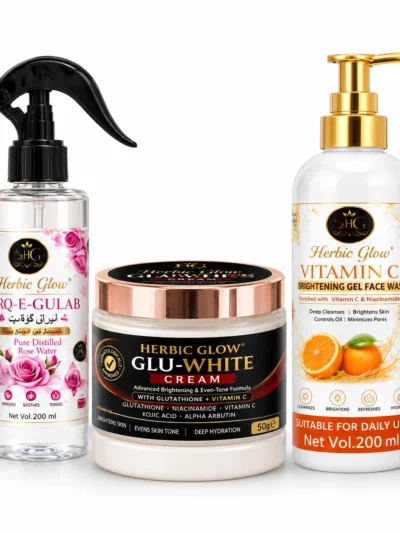
Clean skin requires hydration to maintain elasticity. A dry, tight scalp pulls away from follicles and creates micro-tears that invite irritation. Lightweight herbal extracts and pure botanical waters—such as natural rose water—deliver clean moisture without creating a sticky film.