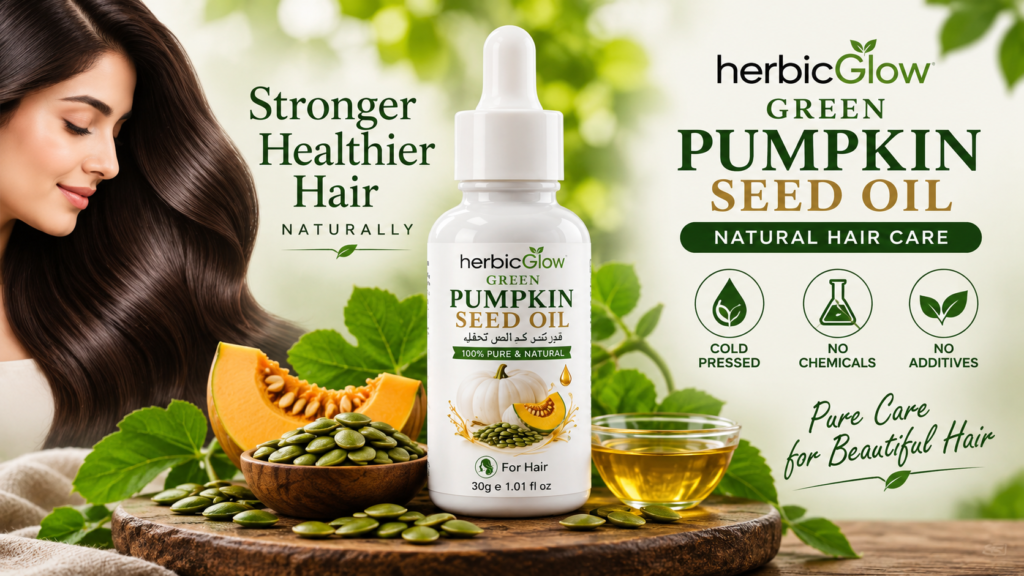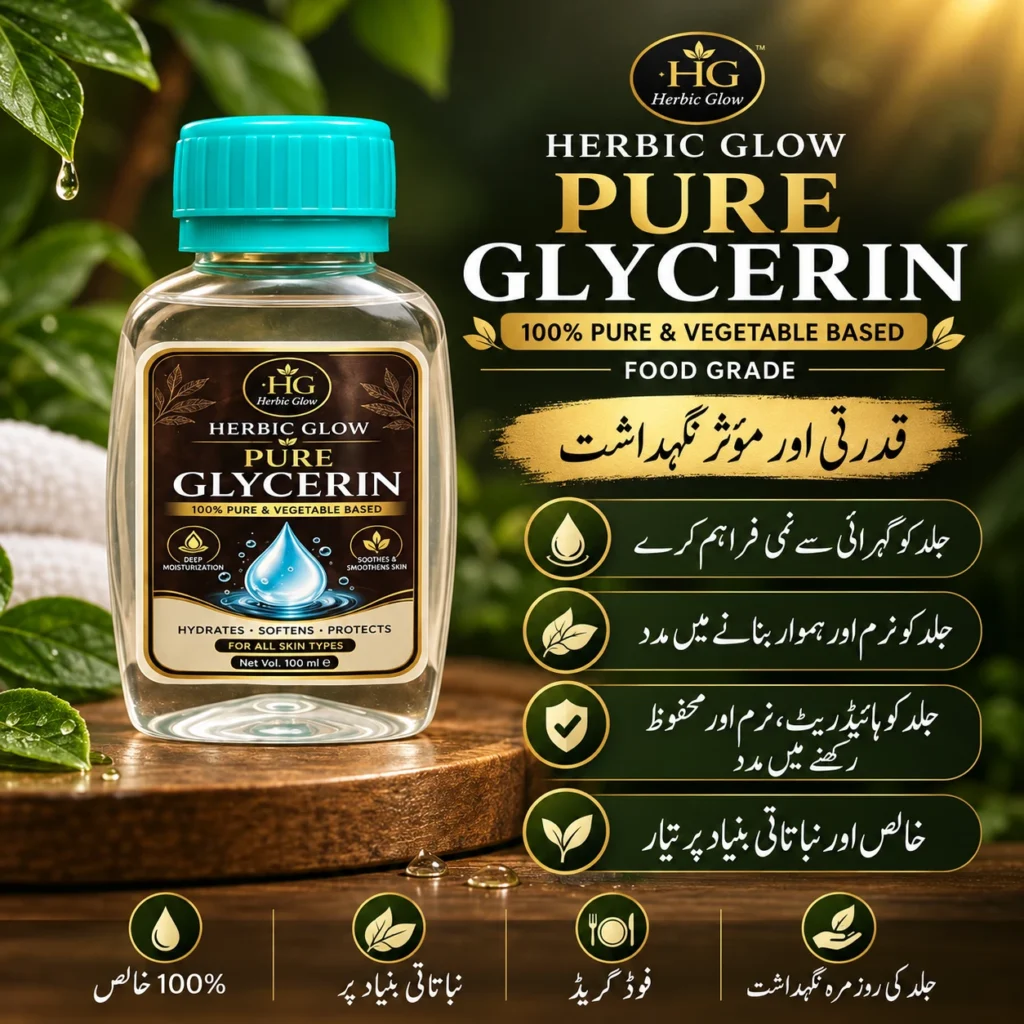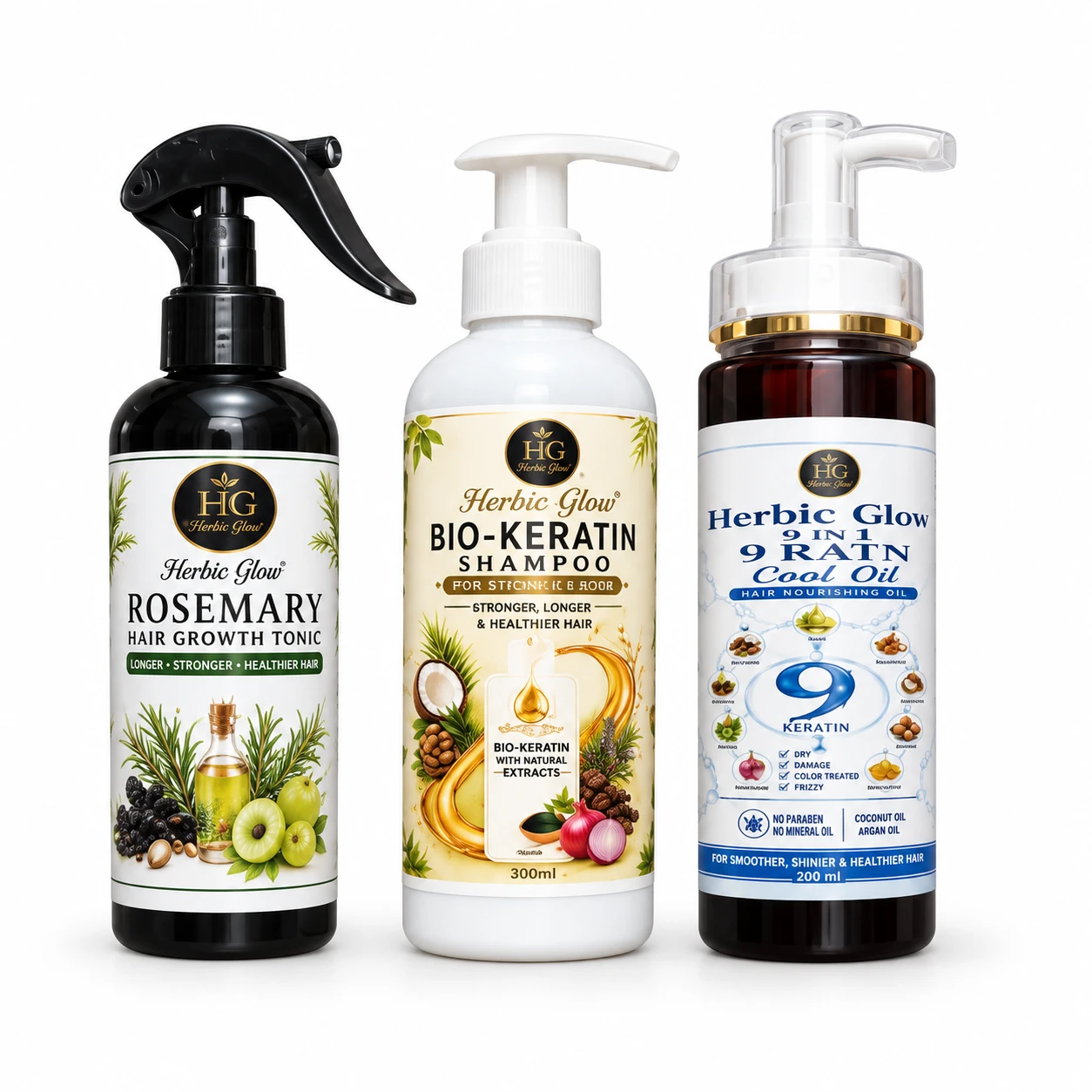
Choosing the right skincare products can feel overwhelming, especially when countless brands promise radiant results. At Herbic Glow, we believe that true quality starts with understanding what makes a formulation effective, safe, and aligned with natural wellness principles. This guide breaks down the key factors to consider when evaluating skincare quality, helping you make informed choices that support both your skin and your overall wellbeing.
What Defines Skincare Quality?
Quality in skincare isn’t just about luxurious packaging or a pleasant scent. It hinges on three core elements:
- Ingredient integrity – the purity, source, and concentration of active compounds.
- Formulation stability – how well the product maintains its efficacy over time.
- Safety and compatibility – the likelihood of irritation or adverse reactions, especially for sensitive skin.
When these factors are balanced, a product can deliver consistent benefits without compromising skin health.
Ingredient Integrity
Look for transparent labeling that identifies each component. High‑quality skincare often features:
- Botanical extracts harvested sustainably.
- Cold‑pressed oils that retain nutrients.
- Minimal use of synthetic fragrances, parabens, or sulfates.
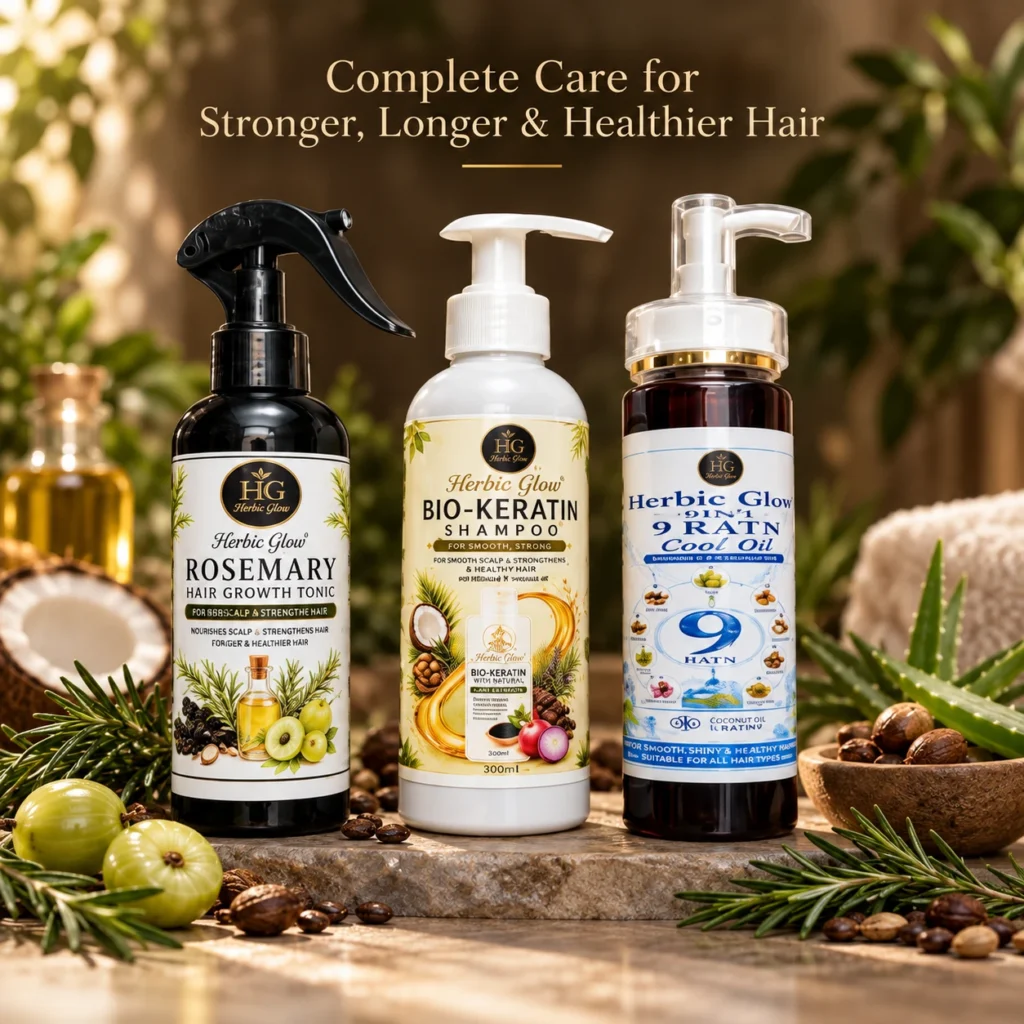
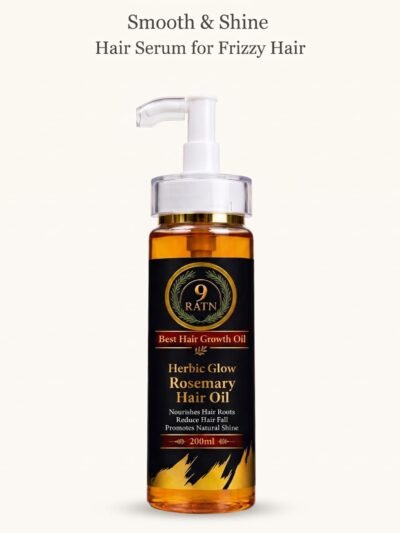
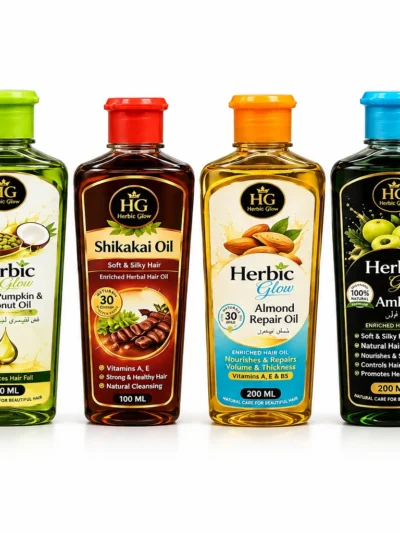
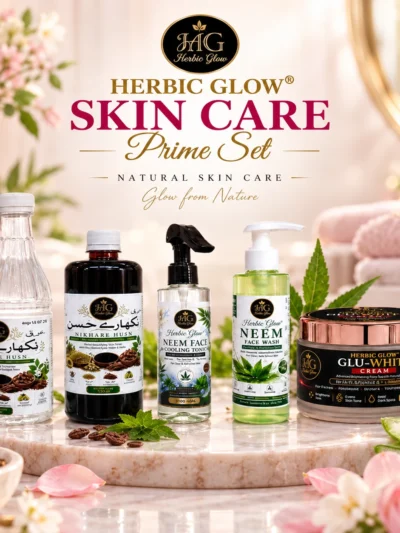
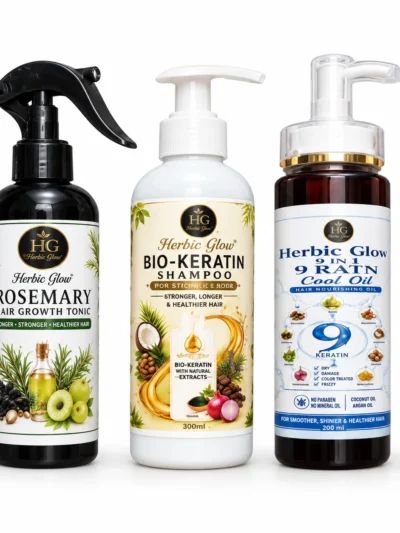
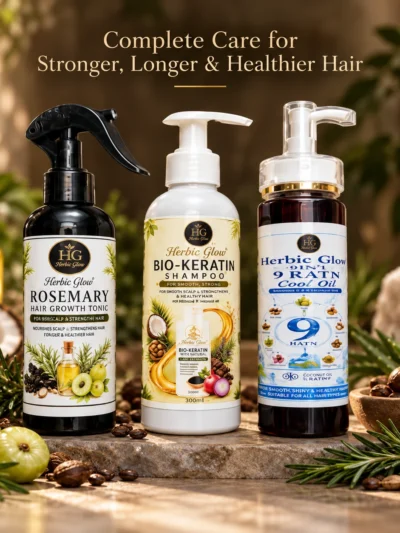
Herbic Glow, for example, emphasizes traditional herbal ingredients processed through modern, clean methods to preserve their potency.
Formulation Stability
A stable formula ensures that active ingredients remain effective from the first use to the last. Indicators of good stability include:
- Opaque or air‑tight packaging that protects against light and oxidation.
- Clear expiration dates or period‑after‑opening symbols.
- Consistent texture and scent across batches.
If a product separates, changes color, or develops an off‑smell quickly, its stability may be compromised.
Safety and Compatibility
Even the most potent ingredients can cause irritation if not suited to your skin type. Quality products typically:
- Undergo patch‑testing or dermatological review.
- Offer versions for different skin concerns (e.g., oily, dry, combination).
- Avoid known irritants in their base formulations.
Reading user feedback and consulting with a skincare professional can further gauge compatibility.
How to Assess a Product’s Quality
When you encounter a new skincare item, consider these practical steps:
- Examine the ingredient list – prioritize recognizable, plant‑based names near the top.
- Check the packaging – look for pumps, droppers, or airless tubes that limit exposure.
- Research the brand’s sourcing practices – ethical harvesting and fair‑trade signals often correlate with higher quality.
- Start with a small amount – observe how your skin reacts over a few days before committing to regular use.
These steps help you separate marketing hype from genuine efficacy.
Connecting Quality to Your Routine
Integrating high‑quality skincare into a daily regimen doesn’t require an overhaul. Begin by replacing one product—such as a cleanser or moisturizer—with a version that meets the criteria above. Monitor changes in texture, hydration, and overall comfort. Over time, you can build a routine where each step supports the next, amplifying the benefits of well‑chosen formulations.
For a deeper dive into evaluating skincare products, you may find our Quality Skincare Guide helpful. If you’re interested in how organic principles intersect with quality, see our Skincare Organic Guide Explained.