
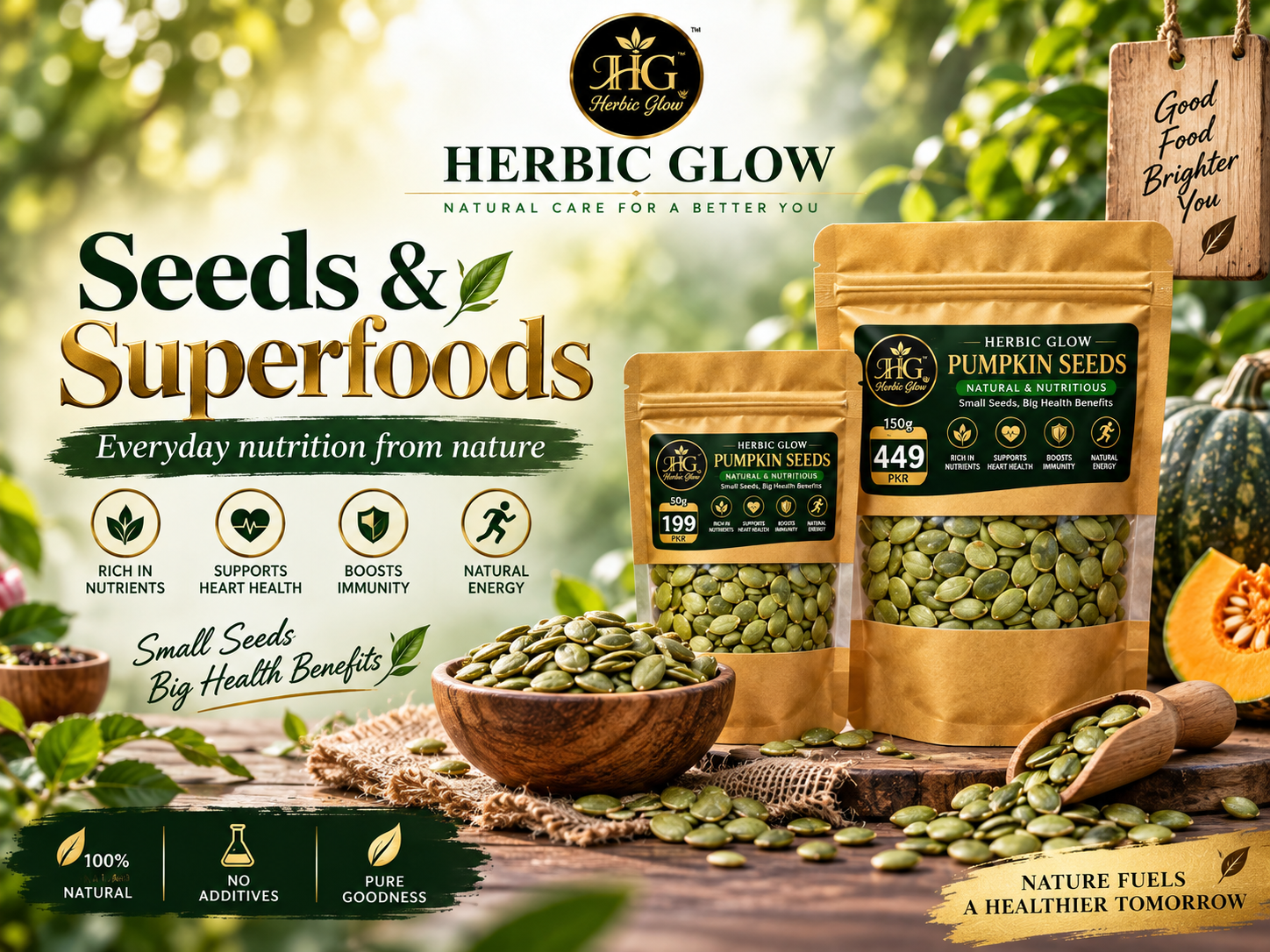
When we talk about quality skincare, we’re not just referring to the texture or scent of a product; it’s about the integrity of every ingredient, the science behind the formulation, and how it respects and enhances the skin’s natural barrier. In a world where countless options compete for attention, finding genuinely effective, trustworthy products can feel overwhelming. That’s why we’ve distilled the essential principles that define quality skincare, and how you can apply them to your own routine.
What Makes Skincare Quality?
Quality skincare is built on three core pillars: safety, efficacy, and sustainability. A safe product keeps harmful chemicals to a minimum, uses gentle yet proven actives, and is suitable for a wide range of skin types. Efficacy means the ingredients work as promised, backed by research and transparent ingredient lists. Sustainability looks beyond the bottle to the source of raw materials, packaging, and the company’s ethical practices.
Ingredient Transparency
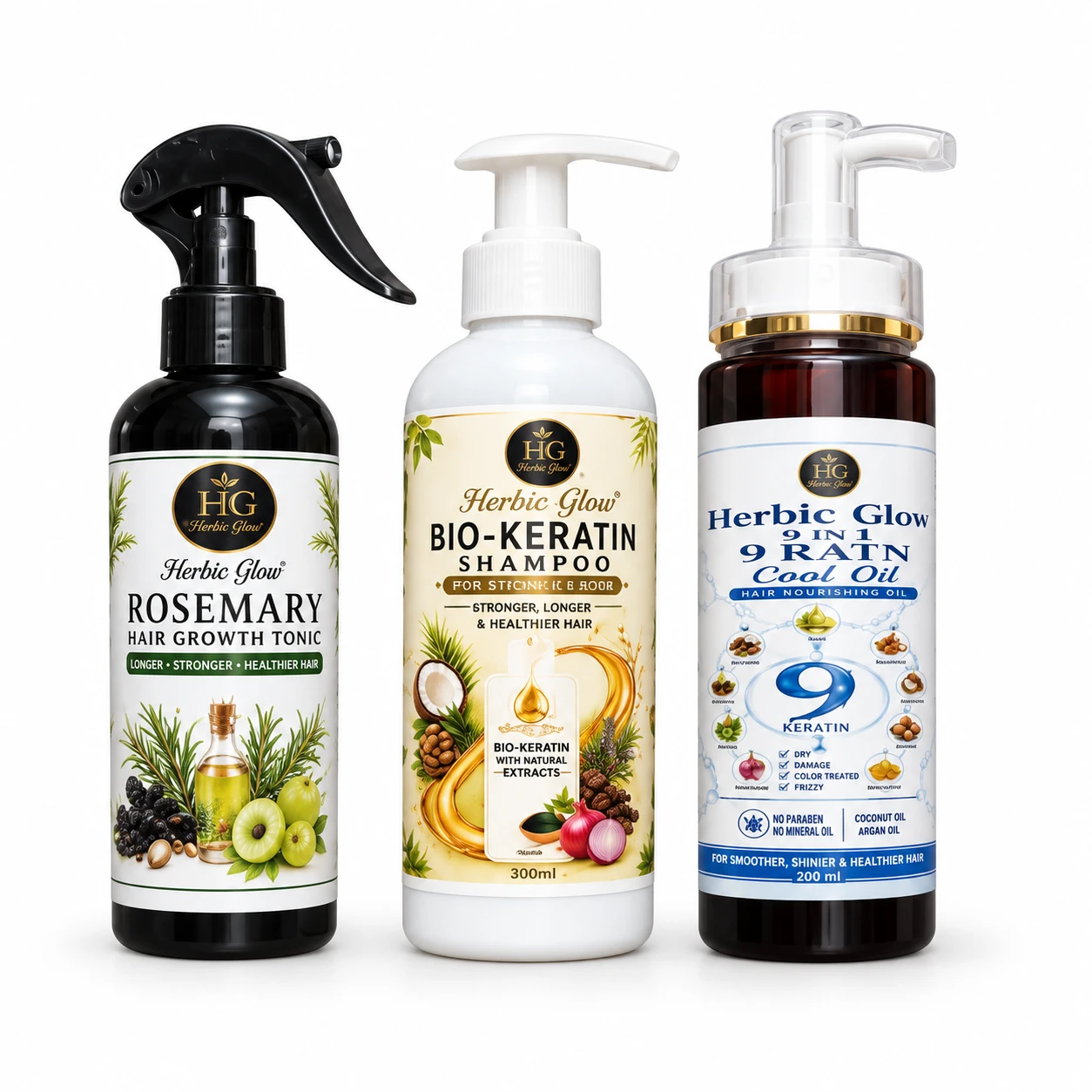
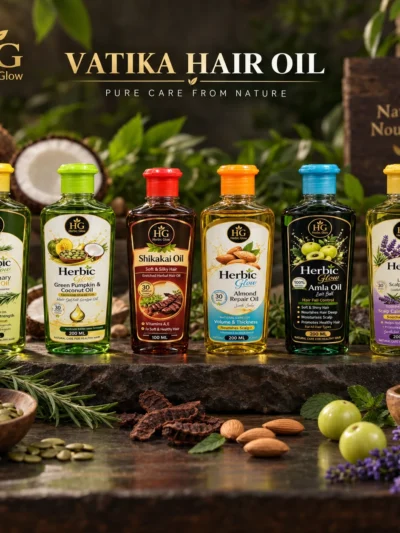
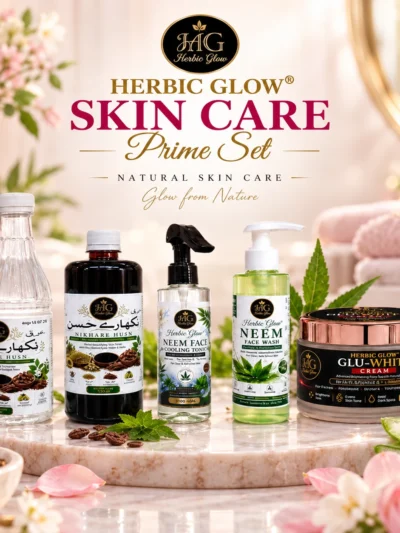
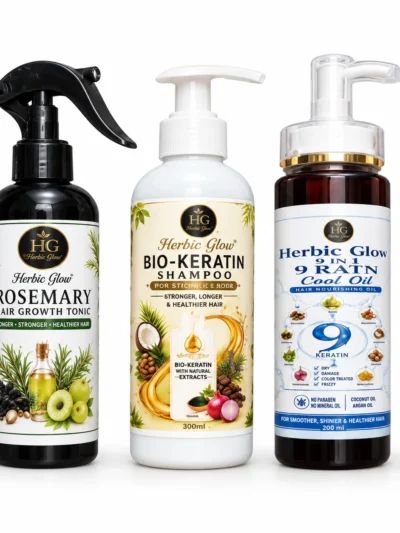
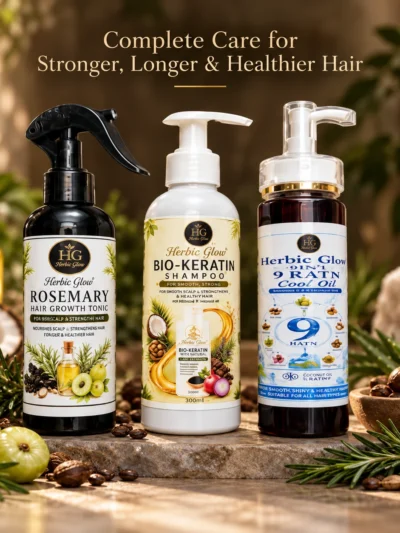
Transparency starts with an ingredient list that’s easy to read and free of opaque terms like “parfum” or “colorant.” When a brand provides the exact names of the components, it allows you to verify their benefits and potential irritants. Herbic Glow, for instance, uses botanicals such as rosemary, aloe vera, and tea tree oil in concentrations that are both safe and potent, while avoiding synthetic fragrances and preservatives that can cause sensitivity.
Clinical Validation
Quality products are often supported by clinical studies or dermatological testing. Even in herbal brands, evidence can be found in traditional usage records and modern research. Look for statements like “clinically tested for 12 weeks” or “verified in vitro for antioxidant activity.” These indicators reassure you that the product delivers on its claims.
Eco‑Friendly Packaging
Beyond the formula, the packaging should reflect responsibility. Recyclable glass, refillable tubes, and minimal plastic are hallmarks of eco‑friendly brands. When the entire product life cycle aligns with environmental stewardship, the skincare truly earns the “quality” label.
Key Ingredients to Trust
- Aloe Vera – soothing, hydrating, and rich in vitamins.
- Rosehip Seed Oil – packed with omega fatty acids and antioxidants.
- Green Tea Extract – powerful free‑radical fighter.
- Chamomile – calming, reduces redness.
- Witch Hazel – a natural astringent that tightens pores.
- Hyaluronic Acid – lightweight yet powerful humectant.
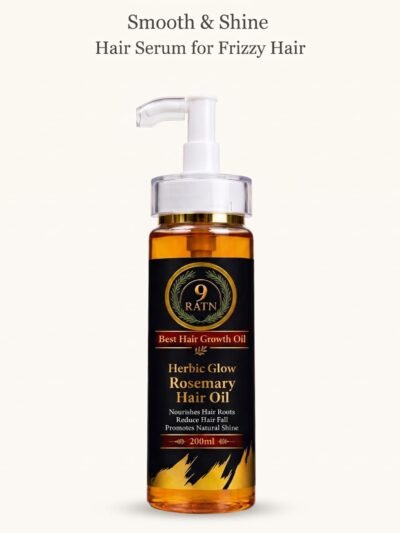
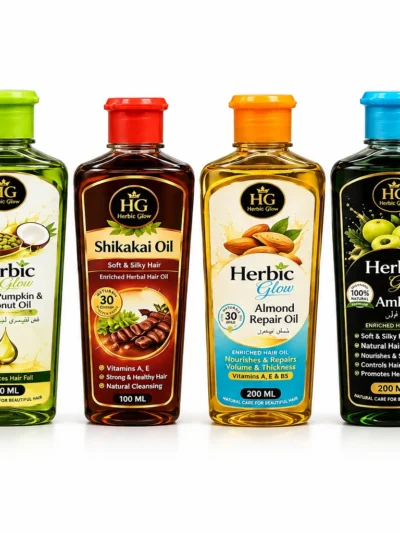
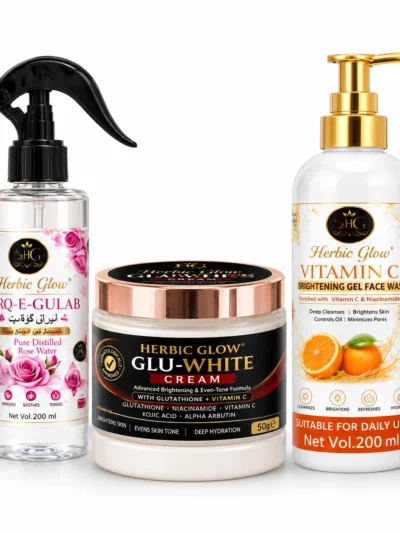
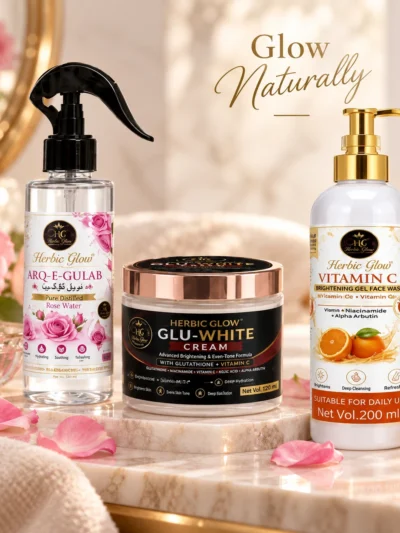
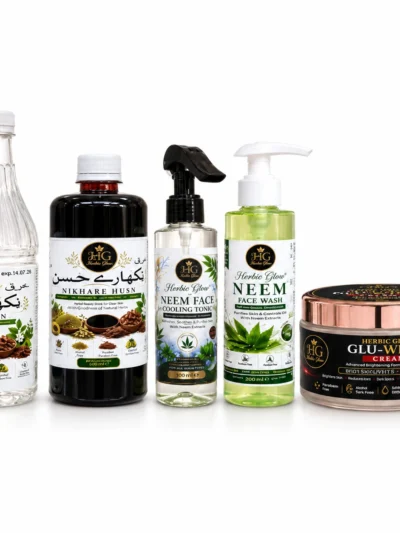
Herbic Glow’s lineup showcases these botanicals in formulations that keep the skin’s microbiome intact while delivering visible results.
Building a Routine that Works
A reliable skincare routine is simple, consistent, and tailored to your skin type. Here’s a streamlined approach that integrates quality products for most skin concerns.
- Cleanse – Choose a gentle, sulfate‑free cleanser that removes surface impurities without stripping natural oils.
- Tone – A mild, alcohol‑free toner restores pH balance and prep the skin.
- Treat – Apply serums or spot treatments containing active ingredients like vitamin C or niacinamide.
- Moisturize – Select a lightweight lotion or balm that locks in hydration.
- Protect – End with a broad‑spectrum SPF for daytime use.
In the evening, swap the sunscreen step for a richer night cream or an overnight serum that targets specific concerns.
Common Skincare Mistakes
Even the best products can fall flat if mishandled. Avoid these pitfalls:
- Over‑exfoliating – once or twice a week is sufficient.
- Using hot water – it can open pores and increase irritation.
- Skipping sunscreen – protection is the foundation of long‑term skin health.
- Ignoring patch tests – especially with botanical products, a small test area can prevent reactions.
Choosing the Right Brand
When selecting a brand, look for those that openly share their sourcing and testing processes. Herbic Glow is a prime example: its products are rooted in traditional herbal wisdom yet crafted with modern purity standards, ensuring each item meets high safety and effectiveness benchmarks.
For deeper insight into what makes a skincare routine truly organic, check out our Skincare Organic Guide Explained, which covers ingredient origins, sustainable practices, and how to spot hidden toxins.
Final Thoughts
Quality skincare isn’t a trend; it’s a commitment to your skin’s well‑being, backed by trustworthy ingredients, science, and sustainable practices. By prioritizing transparency, clinical validation, and environmental responsibility, you can confidently choose products that respect your skin and the planet. Start with the fundamentals—cleanse, tone, treat, moisturize, protect—and let quality brands like Herbic Glow guide you toward healthier, radiant skin.

Comment (1)
[…] a deeper dive into evaluating skincare products, you may find our Quality Skincare Guide helpful. If you’re interested in how organic principles intersect with quality, see our Skincare […]