
Switching to a skincare organic routine can feel overwhelming, especially when you’re unsure which products truly deliver natural benefits. Many shoppers wonder whether “organic” is just a marketing buzzword or if these products actually protect your skin while respecting the environment. This guide breaks down the essentials of organic skincare, highlights why traditional herbal ingredients matter, and offers a simple, step‑by‑step plan to help you transition without hassle. By the end, you’ll know how to read labels, choose the right products, and enjoy a cleaner, healthier complexion—all while supporting a brand that values nature and authenticity.
Why Choose Skincare Organic?
Organic skincare products are formulated with ingredients grown without synthetic pesticides, GMOs, or artificial preservatives. Because the components are minimally processed, they retain more of their natural potency, delivering hydration, antioxidants, and soothing properties directly to your skin. For many people, this means fewer irritations and a visible improvement in texture and tone. Moreover, choosing organic supports sustainable farming practices and reduces your exposure to chemicals that can accumulate over time.
Understanding Key Organic Ingredients
Not all organic labels are created equal. Here are some of the most effective natural actives you’ll find in quality organic skincare:
- Green tea extract – rich in polyphenols that fight free radicals and calm redness.
- Shea butter – a natural moisturizer that softens without greasiness.
- Chamomile oil – gentle anti‑inflammatory perfect for sensitive skin.
- Vitamin E – a potent antioxidant that reinforces the skin’s barrier.
- Aloe vera – soothing and hydrating, ideal for after‑sun care.
These ingredients are often sourced from traditional herbal practices, aligning modern convenience with age‑old wisdom. When you see them listed early in an ingredient list, you can be confident the product is truly organic and not just lightly flavored with natural extracts.
Building a Simple Organic Skincare Routine
You don’t need a ten‑step regimen to reap the benefits of organic skincare. A streamlined routine focuses on three core steps—cleansing, protecting, and nourishing—that can be adapted to any skin type.
1. Cleanse Gently
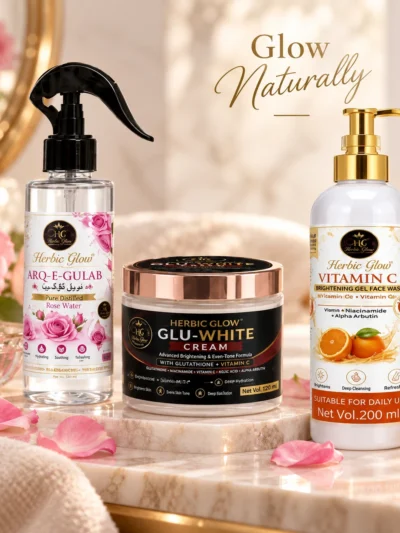
Choose a plant‑based face wash that removes dirt without stripping natural oils. Look for ingredients like neem, tea tree, or rose water. Use lukewarm water and a soft circular motion for 30 seconds, then rinse thoroughly.
2. Hydrate and Shield
Apply a lightweight, organic moisturizer that contains hyaluronic acid or glycerin. Follow with a broad‑spectrum sunscreen rated SPF 30 or higher. Organic zinc oxide or titanium dioxide are safe mineral filters that protect without harsh chemicals.
3. Nourish Overnight
Incorporate a serum or night cream rich in antioxidants such as vitamin C or ferulic acid. These help repair cellular damage while you sleep, leaving skin smoother and more radiant in the morning.
Consistency is the key. Even a minimal routine, when followed daily, can improve skin texture, reduce breakouts, and promote a healthy glow.
Common Myths About Organic Skincare
Several misconceptions can deter consumers from trying organic options. One myth suggests that organic products expire quickly; in reality, natural preservatives like vitamin E and rosemary extract extend shelf life without compromising safety. Another belief is that organic items are less effective because they lack “powerful” synthetic ingredients. However, many natural compounds are just as potent, if not more so, especially when combined with modern delivery systems. Finally, some think organic skincare is prohibitively expensive, but many brands offer affordable ranges that still meet strict certification standards.
Step‑by‑Step Guide to Transitioning to Organic
- Audit Your Current Products
Review the ingredient lists of your favorite items. Identify any non‑organic or potentially harmful components. - Start with One Product
Replace your cleanser or moisturizer with an organic alternative first. This lets you gauge effectiveness and reduce waste. - Track Your Skin’s Response
Keep a simple journal noting any changes in texture, oiliness, or irritation over two weeks. - Expand Gradually
Once comfortable, introduce a second product—perhaps a serum or toner. - Research Brands
Look for certifications from reputable bodies (e.g., USDA Organic, COSMOS). Visit the brand’s website for transparency about sourcing and testing. - Seek Guidance When Needed
If you have specific concerns—like acne or sensitivity—consult a dermatologist familiar with natural products.
By following these incremental steps, you’ll make a confident switch to skincare organic without feeling overwhelmed or sacrificing results.
Final Thoughts
Choosing skincare organic is more than a beauty decision; it’s a lifestyle choice that reflects respect for your body and the planet. By understanding the benefits, recognizing genuine organic ingredients, and adopting a straightforward routine, you can enjoy healthier skin while supporting sustainable practices. For a deeper dive into organic principles and practical tips, check out our Organic Skincare Guide and the Skincare Herbal Guide Explained. Start small, stay consistent, and let nature do the rest.






Comment (1)
[…] deeper insight into what makes a skincare routine truly organic, check out our Skincare Organic Guide Explained, which covers ingredient origins, sustainable practices, and how to spot hidden […]